10 Antimicrobial Spices and Herbs to Help Ward Off Coughs and Colds
Discover 10 powerful antimicrobial spices and herbs—like ginger, garlic, and turmeric—that help fight coughs, colds, and boost immunity naturally. Learn easy ways to add them to your daily diet.
HEALTHLANDING PAGE
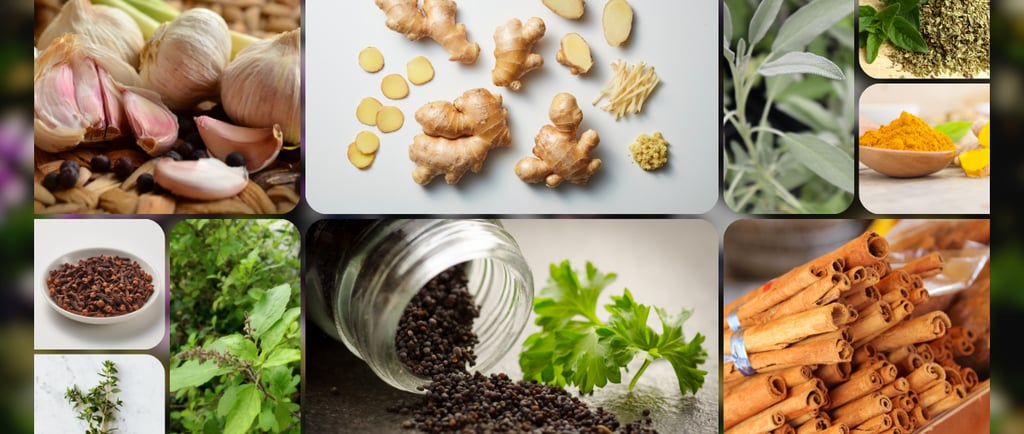
You know that feeling—you wake up with a scratchy throat, a little tickle that hints a cough is on the way. Before you rush to the pharmacy, take a peek in your kitchen. Believe it or not, some of the best natural remedies against coughs and colds are probably sitting right on your spice rack.
Garlic, ginger, turmeric… these aren’t just flavor boosters; they’re loaded with powerful antimicrobial compounds that can help your body fight back. In this post, we’ll walk through ten everyday spices and herbs that not only make your food taste amazing but also give your immune system the little boost it needs when you’re feeling under the weather.
How Antimicrobial Spices Help Fight Coughs and Colds Naturally
While that bottle of cough syrup basically does one thing, something like garlic is out there fighting bacteria and also boosting your immune system, preventing you from falling sick too often. Plus, your body tends to handle natural ingredients way better than synthetic stuff, with way fewer weird side effects.
Spices that have antimicrobial properties function similarly to nature's little defense force. Strong plant compounds found in them, such as gingerols in ginger, curcumin in turmeric, and allicin in garlic, can thwart the efforts of bacteria and viruses to colonize your respiratory system. These substances strengthen your immune system and lower inflammation, which increases your susceptibility to infection, and foster an atmosphere that hinders the growth of pathogens.
1. Garlic
Garlic stands as one of the most researched antimicrobial foods on the planet. Its active compound, allicin, demonstrates powerful antibacterial, antiviral, and antifungal properties that can help combat respiratory infections before they take hold.
Fresh garlic provides the highest concentration of beneficial compounds. Crush or chop cloves and let them sit for 10 minutes before cooking to maximize allicin production.
How to use it:
Crush raw garlic and let it sit for 10 minutes before cooking to activate allicin.
Create a simple immunity-boosting tea by steeping crushed cloves in hot water with honey
Add minced garlic to soups and stir-fries.
2. Ginger
This knobby root brings both heat and healing to your respiratory system. Ginger's bioactive compounds, including gingerol and shogaol, offer anti-inflammatory and antimicrobial benefits that can ease throat irritation and reduce cough severity. Fresh ginger root provides the most potent effects.
How to use it:
Brew fresh ginger tea with lemon and honey for a comforting cold remedy.
Add grated ginger to soups, stir-fries, or smoothies for an immune-boosting kick.
Crystallized ginger also works well for on-the-go throat soothing, though fresh works the best.
3. Turmeric
Turmeric's bright yellow color comes from curcumin, a compound with remarkable antimicrobial and anti-inflammatory properties. This ancient spice can help reduce respiratory inflammation while supporting your body's natural defense mechanisms against pathogens.
Combine turmeric with black pepper to enhance absorption—the piperine in black pepper increases curcumin bioavailability by up to 2000%.
How to use it:
Sip on warm “golden milk” made with turmeric, black pepper, and milk (or a plant-based alternative).
Sprinkle turmeric into curries, soups, or scrambled eggs.
Blend turmeric into smoothies for a golden immunity boost.
4. Oregano
Oregano contains carvacrol and thymol, two potent compounds with strong antimicrobial activity against respiratory pathogens. This aromatic herb can help clear congestion while fighting the underlying infections that cause persistent coughs. Fresh oregano provides superior benefits compared to dried versions, though both offer value.
How to use it:
Add fresh or dried oregano to soups, pasta sauces, and salads.
Brew oregano tea by steeping fresh leaves in boiling water.
Create an antimicrobial steam inhalation by adding oregano essential oil to hot water.
5. Thyme
Thyme's delicate leaves pack impressive antimicrobial compounds, particularly thymol, which demonstrates strong activity against respiratory bacteria and viruses. This herb also acts as a natural expectorant, helping clear mucus from airways.
How to use it:
Make thyme tea by steeping fresh sprigs in hot water.
Add thyme to roasted vegetables, poultry dishes, or stews.
Use thyme-infused steam inhalation for congestion relief.
6. Basil
Basil, especially holy basil (Tulsi), has a long history in traditional medicine for strengthening the immune system and combating respiratory issues. It has antimicrobial, antiviral, and adaptogenic properties, helping the body cope with stress while fighting off infections.
How to use it:
Brew Tulsi tea with honey and ginger for a comforting cold remedy.
Add fresh basil to salads, sauces, or sandwiches.
Use dried basil in soups and casseroles.
7. Sage
Sage has been used for centuries to soothe coughs and sore throats. Its antimicrobial properties make it particularly effective in teas and gargles. Sage also has anti-inflammatory effects that calm irritated tissues in the throat and respiratory system.
How to use it:
Brew sage tea with lemon and honey.
Use sage leaves in stuffing, roasted dishes, or vegetable sautés.
Prepare a sage gargle (steep fresh or dried leaves in hot water, let cool, then gargle).
8. Cinnamon
Cinnamon does more than add sweetness to baked goods—it’s packed with antimicrobial properties. Its essential oils contain cinnamaldehyde, which fights bacteria, viruses, and fungi. Cinnamon also helps warm the body and improve circulation, making it a comforting spice during the cold season.
How to use it:
Stir cinnamon into oatmeal or yogurt.
Add a stick of cinnamon to teas or mulled drinks.
Use cinnamon in baked apples or smoothies for a soothing touch.
9. Cloves
Cloves are tiny but mighty when it comes to fighting infections. They are rich in eugenol, a compound with antibacterial, antiviral, and anti-inflammatory effects. Cloves also have mild numbing properties, making them excellent for easing throat pain.
How to use it:
Add whole cloves to herbal teas for extra warmth.
Use ground cloves in baking or spice blends.
Simmer cloves with cinnamon and ginger for a homemade cough-soothing tea.
10. Black Pepper
Black pepper is more than just a table seasoning—it’s a spice that stimulates circulation, clears congestion, and enhances the absorption of other medicinal compounds (like curcumin in turmeric). Its active compound, piperine, has antimicrobial effects that help ward off infections.
How to use it:
Sprinkle freshly ground black pepper on savory dishes.
Pair it with turmeric in golden milk or teas.
Use pepper in bone broths and soups to open up airways.
Conclusion
Your spice rack already contains some of nature's most effective antimicrobial weapons against coughs, colds, and respiratory infections. By incorporating these ten powerful spices and herbs into your regular cooking routine, you're not just creating more flavorful meals—you're building a natural defense system that supports your overall health throughout the year.