10 Foods That Lower Cholesterol
Discover 10 foods that lower cholesterol naturally with scientifically proven options like oats, nuts, and fatty fish. Find out practical tips and meal ideas to transform your heart health starting today.
HEALTHLANDING PAGE
When my friend Sarah got her cholesterol results last month, her first instinct was to Google "cholesterol medication side effects." Like many people facing high cholesterol numbers for the first time, she felt overwhelmed by the prospect of daily pills and wondered if her favorite foods were now off-limits forever. But after talking with her doctor and doing some research, Sarah discovered something that changed her entire approach: simple dietary swaps could dramatically improve her numbers without giving up the flavors she loved.
What you'll learn in this blog: ten scientifically proven foods that can naturally lower your cholesterol levels, plus practical tips to incorporate them into your daily life. By the end of this guide, you will have a clear plan for improving cardiovascular health without compromising your taste buds.
Understanding Cholesterol: The Good, The Bad, and Why Food Matters
First things first—let's talk about what cholesterol actually is. Cholesterol isn't inherently evil—your body actually needs it for essential functions like hormone production and cell membrane maintenance. The problem arises when LDL (low-density lipoprotein) cholesterol, often called "bad" cholesterol, accumulates in your arteries.
The good news? Unlike genetics or age, dietary choices remain completely within your control. Research consistently shows that strategic food choices can reduce LDL cholesterol by 5-15%, sometimes even more when combined with other lifestyle modifications.
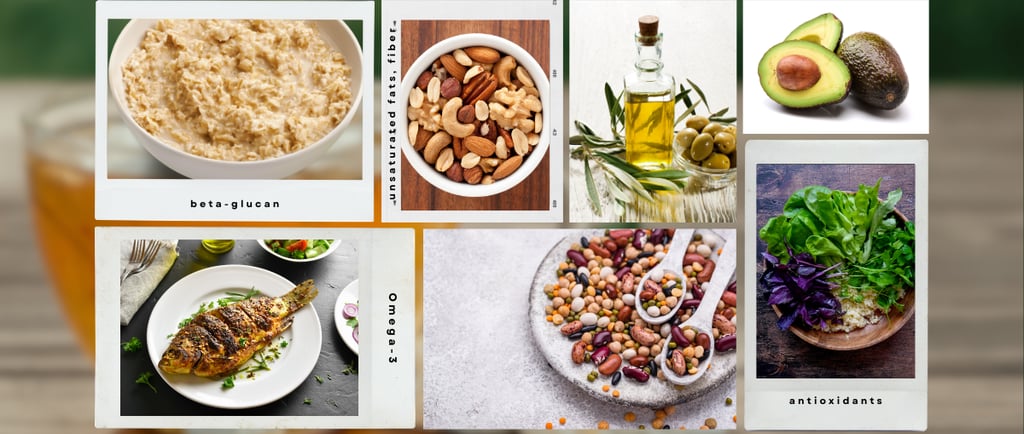
Below are 10 foods with a proven record of lowering cholesterol.
1. Oatmeal and Whole Grains
Starting your day with a warm bowl of oatmeal might be one of the smartest decisions for your cardiovascular system. According to thorough research analysis, including ≥3 g OBG/d in the diet lowers total cholesterol and LDL cholesterol by 0.30 mmol/L and 0.25 mmol/L, respectively.
Oats contain beta-glucan, a special type of soluble fiber that acts like a sponge in your digestive system, binding to cholesterol-rich bile acids and escorting them out of your body. This forces your liver to use existing cholesterol to make new bile acids, effectively lowering your overall cholesterol levels.
Pro tip: Look for steel-cut oats or old-fashioned rolled oats rather than instant varieties. Top your oatmeal with fresh berries, chopped nuts, or a sprinkle of cinnamon for extra flavor and additional cholesterol-fighting compounds.
Other excellent whole grain options include barley, quinoa, brown rice, and whole wheat products. These foods provide similar soluble fiber benefits while adding variety to your meals.
How to use it:
Breakfast: steel-cut oats topped with berries and a spoon of ground flaxseed.
Savory swap: use barley in soups, risottos, or grain bowls instead of refined grains.
Quick add-on: sprinkle oat bran into smoothies or pancake batter.
2. Fatty Fish: Omega-3 Powerhouses
Salmon, mackerel, sardines, and tuna deserve a starring role on your plate at least twice per week. These cold-water fish are packed with omega-3 fatty acids, which work differently from fiber but are equally effective at promoting heart health.
While omega-3s don't directly lower LDL cholesterol, they significantly reduce triglycerides and increase HDL (good) cholesterol levels. They also help prevent blood clots and reduce inflammation throughout your cardiovascular system.
Smart shopping: Choose wild-caught fish when possible, and don't be afraid of canned varieties like sardines or salmon—they're budget-friendly, convenient, and just as nutritious as fresh options.
How to use it:
2 servings per week: baked salmon with herbs and lemon.
Canned sardines or mackerel on whole-grain toast with avocado and dill.
Grill option: trout with a side of barley tabbouleh.
3. Nuts: Small but Mighty Cholesterol Fighters
Eating 2 ounces of nuts a day can slightly lower LDL, on the order of 5%, according to Harvard Health Publishing. Almonds, walnuts, pistachios, and other tree nuts contain a perfect storm of cholesterol-lowering nutrients: healthy monounsaturated fats, plant sterols, and fiber.
The key is moderation—while nuts are incredibly healthy, they're also calorie-dense. A small handful (about one ounce) provides substantial benefits without overdoing calories. Consider substituting nuts for less healthy snacks rather than simply adding them on top of your current diet.
How to use it:
Sprinkle chopped nuts on salads, blend them into smoothies, or use almond flour in baking projects. Nut butters count too, but choose varieties without added sugars or oils.
4. Legumes
Beans, lentils, chickpeas, and peas are nutritional superstars that deserve more attention. They're loaded with soluble fiber, plant protein, and folate—a combination that's particularly effective at lowering cholesterol levels.
Studies show that eating just one serving of legumes daily can reduce LDL cholesterol by up to 5%. Even better, legumes are incredibly versatile and budget-friendly, making them accessible for virtually everyone.
How to use it:
Add black beans to morning scrambled eggs for extra fiber and protein.
Enjoy hummus as an afternoon snack with veggie sticks or whole-grain crackers.
Toss lentils into soups and stews.
Try chickpea pasta for a protein-packed dinner that’s also higher in fiber than regular pasta.
5. Avocados
This trendy fruit (yes, it's technically a fruit!) is rich in monounsaturated fats, the same heart-healthy fats found in olive oil. Regular avocado consumption has been shown to lower LDL cholesterol while maintaining or even raising HDL levels.
One medium avocado provides about 10 grams of fiber and can easily replace less healthy fats in your diet.
How to use it:
Toast: whole-grain bread with avocado, tomato, and pepper flakes.
Salad base: avocado, chickpeas, cucumbers, cherry tomatoes, and herbs.
Smoothies: 1/4 avocado for creaminess without added sugar.
6. Dark Leafy Greens: Nature's Multivitamins
Spinach, kale, arugula, and other dark leafy greens are nutritional powerhouses packed with antioxidants, fiber, and plant compounds called lutein and zeaxanthin. These nutrients work together to prevent cholesterol oxidation and support overall cardiovascular health.
The fiber content in leafy greens helps with cholesterol elimination, while the antioxidants protect your arteries from damage. Plus, these vegetables are extremely low in calories, making them perfect for weight management—another important factor in cholesterol control.
How to use them:
Blend a handful of spinach or kale into smoothies with berries, soy milk, and a spoon of ground flaxseed for extra soluble fiber.
Sauté Swiss chard or collard greens in olive oil with garlic and lemon. Serve as a side or fold into omelets and grain bowls to replace higher-saturated-fat sides.
Build salads with arugula or mixed dark greens, beans or lentils, avocado, and a vinaigrette made with extra-virgin olive oil to pair fiber with heart-healthy fats.
Add chopped kale or spinach to soups, stews, and chickpeas.
7. Olive Oil: Liquid Gold for Your Heart
Extra virgin olive oil contains powerful antioxidants and monounsaturated fats that can help lower LDL cholesterol when used to replace saturated fats in your diet. The key is substitution, not addition—replace butter, margarine, or other cooking fats with olive oil rather than simply adding more fat to your diet.
Look for extra virgin varieties, which undergo minimal processing and retain more beneficial compounds than refined oils. A drizzle over vegetables, use in salad dressings, or light sautéing are all excellent ways to incorporate olive oil into your meals.
8. Apples and Other High-Fiber Fruits
The old saying "an apple a day keeps the doctor away" holds particular truth for cholesterol management. Apples contain pectin, a type of soluble fiber that's particularly effective at lowering cholesterol levels. The skin contains additional fiber and antioxidants, so leave it on whenever possible.
Other excellent fruit choices include pears, citrus fruits, berries, and grapes. These fruits provide fiber, antioxidants, and natural sweetness that can help satisfy cravings for less healthy treats.
Snack smart: Keep pre-washed fruits visible and easily accessible in your refrigerator. Pair fruits with a small amount of nuts or yogurt for a more satisfying snack that provides protein and healthy fats.
9. Green Tea
Green tea contains catechins, powerful antioxidants that can help prevent cholesterol absorption and support overall heart health. While the cholesterol-lowering effects are modest, green tea provides numerous other health benefits and can be an excellent replacement for sugary beverages.
Aim for 2-3 cups daily to maximize benefits. If you're sensitive to caffeine, choose decaffeinated varieties or drink green tea earlier in the day.
Brewing tips: Don't use boiling water, which can make green tea bitter. Instead, let water cool for a few minutes after boiling, then steep tea for 3-5 minutes for optimal flavor and nutrient extraction.
10. Soy Foods
Tofu, tempeh, edamame, and soy milk contain complete proteins plus isoflavones, plant compounds that can help lower LDL cholesterol. While the effects are modest (typically 3%-4% reduction), soy foods offer an excellent way to replace less healthy protein sources in your diet.
How to use it:
Stir-fry: tempeh with broccoli, snap peas, and cashews.
Grill: extra-firm tofu with a tamari-ginger glaze.
Snack: lightly salted edamame.
The Bottom Line
Modifying your diet to lower your cholesterol is one of the most powerful things you can do for your long-term health. Unlike many health conditions, high cholesterol responds remarkably well to lifestyle modifications, and you have complete control over your food choices.
What's your first step going to be? Whatever you choose, you're making an investment in your health that will pay dividends for years to come.