10 Fruits That Fight Hyperpigmentation Better Than Expensive Creams
Discover 10 fruits that fight hyperpigmentation and dark spots. Learn how vitamin C-rich citrus, papaya enzymes, and other kitchen staples can fade melasma and age spots more gently than expensive creams with proven research and easy DIY recipes.
LANDING PAGEHEALTH
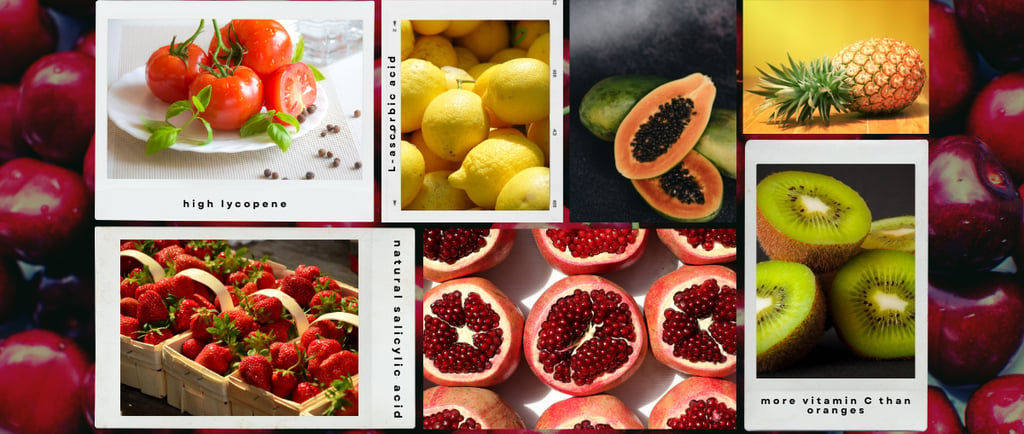
While the skincare industry rakes in billions selling complex formulations promising to fade dark spots, nature has been offering potent hyperpigmentation solutions for centuries. Recent research reveals that certain fruits contain compounds that can inhibit melanin production more effectively than many commercial treatments—without the hefty price tag or potential side effects.
If you're tired of spending hundreds on skincare products that promise miraculous results but deliver disappointment, this evidence-based guide will show you how common fruits can transform your skin naturally. You'll discover exactly which fruits target hyperpigmentation at the cellular level and how to use them for maximum benefit.
Understanding Hyperpigmentation: The Science Behind Dark Spots
It's important to know what causes those stubborn dark spots before trying any natural remedies. Hyperpigmentation occurs when excess melanin accumulates in certain areas of the skin, creating darker spots than your natural skin tone. This happens due to various factors, including sun damage, hormonal changes, inflammation, and aging.
The key enzyme responsible for melanin production is tyrosinase. When this enzyme becomes overactive, it triggers excessive melanin synthesis, leading to uneven skin pigmentation.
The good news? Natural compounds found in many fruits have the ability to decrease melanin production and prevent tyrosinase activity.
10 Fruits That Reduce Hyperpigmentation and Dark Spots Naturally
1. Citrus Fruits: The Vitamin C Powerhouses
Top picks: Lemons, oranges, grapefruits, limes
Citrus fruits deserve the top spot for their exceptional hyperpigmentation-fighting properties. Research published in the Journal of Clinical and Aesthetic Dermatology demonstrates that vitamin C can significantly reduce tyrosinase activity, which prevents melanin formation.
What makes citrus fruits particularly effective is their high concentration of L-ascorbic acid, the most potent form of vitamin C. Studies show that vitamin C acts as a melanogenesis inhibitor by reducing melanin and melanin intermediates like dopaquinone.
How to use: Apply fresh lemon juice diluted with equal parts water to dark spots twice weekly. Leave for 10-15 minutes before rinsing. Always use sunscreen afterward, as citrus can increase photosensitivity.
2. Papaya: The Enzyme Exfoliator
Papaya contains papain, a powerful enzyme that naturally exfoliates dead skin cells while promoting cell turnover. This tropical fruit is rich in vitamins A, C, and E, plus alpha-hydroxy acids that help fade hyperpigmentation over time.
The fruit's natural exfoliating properties help remove the outer layer of pigmented skin cells, revealing brighter skin underneath. Regular use can significantly improve skin texture and reduce the appearance of dark spots.
How to use: Mash ripe papaya into a paste and apply to affected areas for 15-20 minutes. Use 2-3 times per week for best results.
3. Tomatoes: The Lycopene Warriors
While technically a fruit, tomatoes pack a serious punch against hyperpigmentation thanks to their high lycopene content. Lycopene is a powerful antioxidant that protects skin from UV damage and helps prevent further pigmentation while working to fade existing spots.
Tomatoes also contain vitamin C and natural acids that promote gentle exfoliation and skin brightening. Their high water content helps maintain skin hydration, which is essential for healthy cell turnover.
How to use: Blend fresh tomatoes into a pulp and apply as a mask for 20 minutes. The natural acids will work to brighten skin while lycopene provides protective benefits.
4. Strawberries: The Natural Salicylic Acid Source
Strawberries contain natural salicylic acid, the same ingredient found in many acne and hyperpigmentation treatments. This beta-hydroxy acid helps exfoliate skin and unclog pores while promoting cell renewal.
The fruit's vitamin C content works synergistically with salicylic acid to brighten skin and fade dark spots. Strawberries also contain ellagic acid, an antioxidant that helps protect against UV damage and prevents new hyperpigmentation from forming.
How to use: Crush 3-4 strawberries and mix with a teaspoon of honey. Apply to face and leave for 15 minutes before gently massaging and rinsing off.
5. Kiwi: The Antioxidant Superfruit
Kiwi fruit contains more vitamin C than oranges, making it incredibly effective for hyperpigmentation treatment. It also provides vitamin E and antioxidants that work together to brighten skin and protect against environmental damage.
The fruit's natural alpha-hydroxy acids help promote gentle exfoliation, while its high water content keeps skin hydrated and plump. This combination makes kiwi particularly effective for treating age spots and sun damage.
How to use: Blend kiwi flesh into a smooth paste and apply to clean skin for 20 minutes. The natural enzymes will work to brighten and even skin tone.
6. Pineapple: The Bromelain Brightener
Pineapple contains bromelain, a powerful enzyme that breaks down proteins and promotes cellular renewal. This makes it excellent for removing dead, pigmented skin cells and revealing brighter skin underneath.
The fruit's natural alpha-hydroxy acids work alongside bromelain to provide gentle chemical exfoliation. Pineapple is also rich in vitamin C and antioxidants that help prevent future hyperpigmentation.
How to use: Apply fresh pineapple juice to dark spots using a cotton ball. Leave for 10-15 minutes before rinsing. Start with once weekly and gradually increase frequency as skin tolerates.
7. Pomegranate: The Polyphenol Protector
Pomegranates are loaded with polyphenols and antioxidants that help protect skin from oxidative stress while promoting skin renewal. These compounds work to inhibit melanin production and fade existing hyperpigmentation.
The fruit's natural acids help exfoliate skin gently, while its high antioxidant content provides protection against future damage. Pomegranate also contains punicic acid, which has anti-inflammatory properties that can help reduce post-inflammatory hyperpigmentation.
How to use: Extract pomegranate juice and apply to affected areas with a cotton pad. Leave for 15-20 minutes before rinsing with cool water.
8. Grapes: The Resveratrol Remedy
Grapes, particularly red and purple varieties, contain resveratrol, a powerful antioxidant that helps protect skin from UV damage and reduces inflammation. This compound also helps inhibit tyrosinase activity, reducing melanin production.
The natural tartaric acid in grapes provides gentle exfoliation, helping to remove pigmented skin cells and promote cell turnover. Regular use can help fade dark spots while preventing new ones from forming.
How to use: Crush a handful of grapes and apply the pulp to your face. Leave for 15 minutes before rinsing. The natural acids will help brighten and even skin tone.
9. Cherries: The Anthocyanin Allies
Cherries are rich in anthocyanins, powerful antioxidants that give them their deep red color. These compounds help protect skin from free radical damage and reduce inflammation that can lead to hyperpigmentation.
Sweet cherries also contain vitamin C and natural fruit acids that help brighten skin and promote cellular renewal. Their anti-inflammatory properties make them particularly effective for treating post-inflammatory hyperpigmentation.
How to use: Mash fresh cherries and apply to skin for 15-20 minutes. The natural fruit acids will help exfoliate while antioxidants provide protective benefits.
10. Dates: The Natural Melanin Regulators
Recent groundbreaking research has revealed something remarkable about dates. Studies published in Scientific Reports show that date fruit melanin contains unique compounds that can help regulate melanin production in skin. This makes dates particularly interesting for hyperpigmentation treatment.
The research demonstrates that date fruit melanin is primarily based on epicatechin proanthocyanidin oligomers, which have photoprotective and radical scavenging properties that can help prevent and treat
How These Fruits Outperform Expensive Creams
Many commercial hyperpigmentation treatments rely on synthetic versions of compounds found naturally in fruits. For example, vitamin C serums often contain unstable forms of vitamin C that degrade quickly, while fresh fruits provide stable, bioavailable vitamin C along with complementary compounds that enhance absorption and effectiveness.
Clinical studies show that vitamin C interacts with copper ions at the tyrosinase active site, inhibiting the enzyme and reducing melanin formation. However, synthetic vitamin C products often lack the supporting nutrients found in whole fruits that help stabilize and enhance vitamin C's effectiveness.
Maximizing Results: Application Tips and Safety Guidelines
Patch Test First: Always test any fruit treatment on a small area of skin before applying to larger areas. Some people may be sensitive to natural fruit acids.
Start Slowly: Begin with once or twice weekly applications and gradually increase frequency as your skin adapts. Overuse can lead to irritation.
Sun Protection is Crucial: Many fruits contain natural acids that can increase photosensitivity. Always apply broad-spectrum sunscreen during the day when using fruit treatments.
Consistency is Key: Natural treatments work gradually. Expect to see initial results after 4-6 weeks of consistent use, with more significant improvement after 2-3 months.
Combine Wisely: You can rotate different fruit treatments throughout the week, but avoid using multiple acidic fruits on the same day to prevent over-exfoliation.
The Bottom Line
While the skincare industry continues to market increasingly expensive hyperpigmentation treatments, the solution may be sitting in your fruit bowl. These ten fruits offer scientifically backed compounds that can effectively target hyperpigmentation without the cost or potential side effects of synthetic alternatives.
Remember, hyperpigmentation treatment is most effective when combined with proper sun protection and a consistent skincare routine.