4 Warning Signs Your Fingernails Are Trying to Tell You About High Cholesterol
4 fingernail warning signs of high cholesterol you can't ignore. Your brittle, discolored nails are sending SOS signal about your heart health.
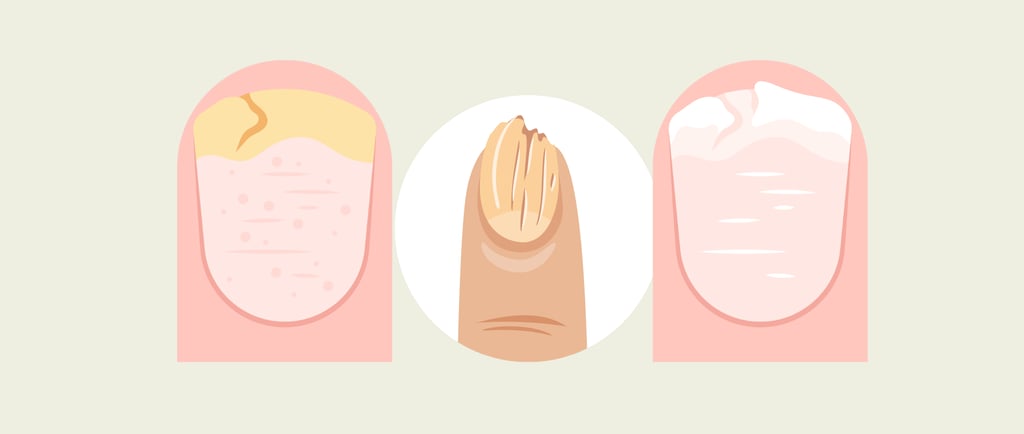
Your fingernails might seem like simple parts of your body, but they can actually tell you a lot about your health. One important thing they can warn you about is high cholesterol. Many people don't know that their nails can show early signs of this serious health problem.
High cholesterol affects millions of people around the world, and your fingernails can actually give you important clues. In this article, we'll talk about four key ways your nails can warn you about high cholesterol. Learning these signs could help you catch this health problem early and get the help you need.
What Is High Cholesterol?
Before we talk about nail signs, let's understand what high cholesterol means. Cholesterol is a type of fat that your body needs to work properly. Your liver makes most of the cholesterol you need, but you also get some from foods like eggs, meat, and dairy products.
There are two main types of cholesterol:
LDL (Bad) Cholesterol: This type can build up in your blood vessels and cause problems. When there's too much LDL cholesterol, it can stick to the walls of your arteries and make them narrow.
HDL (Good) Cholesterol: This type helps remove bad cholesterol from your blood and takes it to your liver to be broken down.
When you have high cholesterol, it usually means you have too much LDL cholesterol in your blood. This can lead to serious health problems like heart disease and stroke.
The tricky thing about high cholesterol is that it usually doesn't cause obvious symptoms. Most people feel fine even when their cholesterol levels are dangerous. That's why it's often called a "silent killer."
However, your body does give you some warning signs if you know where to look. Your fingernails are one place where these signs can show up.
Why Do Nails Show Signs of High Cholesterol?
The answer has to do with how your body works. When you have high cholesterol, several things happen in your body:
Blood Flow Changes: High cholesterol can make your blood thicker and harder to pump. This means less blood reaches your fingernails.
Artery Blockages: Cholesterol buildup in your arteries makes them narrower, which reduces blood flow to all parts of your body, including your nails.
Cholesterol Deposits: Sometimes, excess cholesterol gets stored under your skin and around your nails.
Oxygen Problems: When blood flow is poor, your nails don't get enough oxygen. This can change how they look and grow.
1. Brittle and Slow-Growing Nails
Do your nails seem to break, chip, or peel at the slightest touch? Or have you noticed that you don't need to trim them as often as you used to? Brittle and slow-growing nails could be a sign that something is amiss internally.
When cholesterol plaque builds up in your arteries, it can lead to a condition called Peripheral Artery Disease (PAD). PAD specifically affects the arteries that supply blood to your limbs, like your arms and legs. This blockage reduces the flow of blood, oxygen, and essential nutrients to your fingers and toes. Without this vital supply, your nails can't grow strong and healthy, causing them to become fragile and grow at a much slower rate.
2. Discoloration of the Nail Bed
A healthy fingernail should have a pinkish nail bed underneath. If you notice a change in this color, it could be another sign of poor circulation caused by high cholesterol.
Keep an eye out for these color changes:
Pale or White Nails: When blood flow is restricted, not enough oxygen is reaching the nail bed, which can cause them to look pale or almost white.
Bluish Tint: A blue or purplish tint on your nails suggests a more significant lack of oxygen in your blood, a condition known as cyanosis. This is a common effect of poor circulation.
Yellowish Nails: While yellow nails can be caused by fungal infections or smoking, they can also be linked to high cholesterol. In some cases, cholesterol can build up under the skin in deposits called xanthomas, which can sometimes give a yellowish appearance to the nails or surrounding skin.
3. Dark Lines Under the Nails (Splinter Hemorrhages)
Have you ever seen a tiny, thin, dark line under your fingernail that looks like a wood splinter? These are called splinter hemorrhages. They are small lines of blood that run in the direction of nail growth.
These lines appear when tiny blood vessels (capillaries) under your nail bed are damaged and burst. High cholesterol can weaken these blood vessels and make them more prone to damage.
While splinter hemorrhages can be caused by an injury (like slamming your finger in a door) or other health conditions, their appearance without any clear cause could be a red flag for heart-related issues, including those stemming from high cholesterol. They often appear as reddish or brownish lines.
4. Changes in Nail Texture and Thickness
The texture of your nails can also provide clues about your circulatory health. High cholesterol can disrupt the normal growth process, leading to noticeable changes. You might feel that your nails have become uneven, grainy, or flaky to the touch.
In some cases, the nails may also become unusually thick. This thickening is another result of the compromised blood supply, which affects the nail's structure as it grows.
Just like brittle nails, these texture and thickness changes are often linked to the reduced flow of nutrients reaching the nail matrix, which is the part of the nail bed responsible for producing the nail plate.
What Should You Do If You Notice These Signs?
If you've read this and are now staring at your hands with concern, take a deep breath. It's important to remember that these nail symptoms are not a definitive diagnosis. Many other conditions, from fungal infections to vitamin deficiencies, can cause similar changes to your nails.
However, you should not ignore these signs. If you notice one or more of these changes, especially if they are new or accompanied by other symptoms like tingling in your hands and feet or pain in your legs when walking, the best course of action is to schedule an appointment with your doctor.
Your doctor can assess your overall health and order a simple blood test called a lipid panel. This test measures your total cholesterol, LDL ("bad") cholesterol, HDL ("good") cholesterol, and triglycerides (another type of fat in your blood). This is the only way to get a clear and accurate diagnosis.
The Takeaway
Your fingernails may be small, but they can offer a surprising window into your overall health. While changes in your nails are not a surefire sign of high cholesterol, they are a signal that shouldn't be dismissed. By paying attention to these subtle clues—brittle nails, discoloration, dark lines, or texture changes—you can become more proactive about your health.
Reference: 5 Embarrassing Signs Of High Cholesterol That Are Your Body’s Cry For Help | Health and Me