8 Foods You Should Never Combine with Chia Seeds
Discover the 8 Foods You Should Never Combine with Chia Seeds to avoid digestive issues, nutrient absorption problems, and health complications.
HEALTHLANDING PAGE
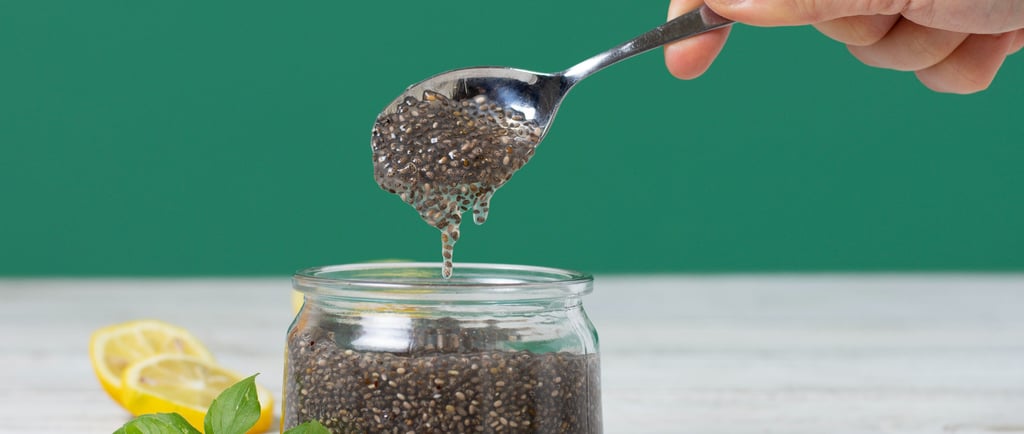
You've just added those little black seeds to your morning smoothie, feeling great about your healthy choice. But what if those seemingly innocent chia seeds could transform your nutritious meal into a bit of a digestive issue?
While chia seeds are amazing for your health, some food combinations with them can lead to complications that many people might not anticipate.
This informative guide shares the foods that don't mix well with chia seeds, supported by scientific research. By the end of this article, you'll know exactly how to enjoy chia seeds safely while avoiding problematic food pairings that could sabotage your health goals.
Why Chia Seed Food Combinations Matter More Than You Think
Chia seeds contain high levels of dietary fiber (about 11 grams per ounce, or nearly 40% of daily recommended needs) and roughly 60% of their fat content is alpha-linolenic acid (ALA), a plant-based omega-3 fatty acid. This unique nutritional profile makes chia seeds an excellent addition to many diets, but it also means that certain combinations can cause digestive issues or reduce the absorption of vital nutrients.
1. High-Fiber Foods: The Digestive Overload
Since chia seeds are remarkably high in fiber, pairing them with other high-fiber foods can overload your digestive system, leading to bloating, gas, or constipation—especially if your body isn't used to so much fiber at once or you don't drink enough water.
What to Avoid:
Beans and legumes (black beans, kidney beans, chickpeas)
Raw broccoli, Brussels sprouts, cauliflower
Bran cereals
Artichokes, asparagus
Dried fruits such as prunes, figs
Fiber supplements (psyllium husk, etc.)
What to do: Space out fiber-rich foods and ensure you drink plenty of water to keep your digestion running smoothly.
2. Iron-Rich Foods: Reduced Absorption
One of the most overlooked problems with chia seeds involves their interaction with iron-rich foods, potentially leading to iron deficiency over time. Chia seeds contain compounds called phytates, which bind to iron in your digestive tract. Research shows that phytates can reduce iron absorption by 83-90% when consumed simultaneously with iron-rich foods.
What to Avoid Consuming Together:
Red meat (beef, lamb, liver)
Dark leafy greens (spinach, kale, Swiss chard)
Iron-fortified cereals and bread
Tofu and tempeh
Lentils and chickpeas
Dark chocolate and cocoa powder
Quinoa and amaranth
What to do: To encourage iron absorption, pair chia seeds with vitamin C-rich foods rather than other high-phytate items, and consider consuming iron-rich foods and chia seeds at different times.
3. Calcium-Rich Foods: The Timing Competition
Since chia seeds contain calcium themselves, eating them with other calcium-rich foods can create a traffic jam in your digestive system. Studies show that your body can only absorb about 500mg of calcium at once. When you combine chia seeds (which contain about 180mg per ounce) with a large serving of dairy or fortified foods, you may be wasting the calcium in both foods.
Foods That Compete with Chia for Calcium Absorption:
Dairy products (milk, yogurt, cheese)
Fortified plant milks (almond, soy, oat milk)
Sesame seeds and tahini
Canned fish with bones (sardines, salmon)
Collard greens and bok choy
Figs and almonds
What to do: Space calcium-rich foods and chia seeds at least 2-3 hours apart to optimize absorption of both nutrients.
4. Raw Cruciferous Vegetables: Thyroid issues
Cruciferous vegetables are high in goitrogens, substances that can interfere with the absorption of iodine and thyroid function, particularly for those who already have thyroid concerns.
Cruciferous vegetables not to be combined with chia seeds:
Raw kale and collard greens
Raw broccoli and cauliflower
Raw cabbage and Brussels sprouts
Raw radishes and turnips
Raw bok choy and watercress
What to do: Cook cruciferous vegetables before combining them with chia seeds, as cooking significantly reduces goitrogenic compounds. If you prefer raw vegetables, limit portions when eating them with chia seeds.
5. High-Sugar Foods: The Glucose Spike Problem
While chia seeds help stabilize blood sugar, combining them with high-sugar foods can lead to delayed but prolonged blood sugar spikes that are harder for your body to manage.
High-sugar food not to be combined with chia seeds:
Fruit juices and smoothies with multiple fruits
Dried fruits like dates, raisins, and dried mango
Sweetened yogurts and flavored dairy products
Honey, maple syrup, and agave nectar
Refined cereals and granola bars
Baked goods and desserts
What to do: Use chia seeds with naturally lower-sugar foods, or if adding them to fruit-based meals, stick to fresh whole fruits rather than concentrated or dried versions.
6. Caffeinated Beverages: The Absorption Interference
Studies indicate that caffeine can interfere with the absorption of various minerals including iron, calcium, and magnesium—many of which are present in chia seeds. Additionally, caffeine's diuretic effect can counteract chia seeds' hydrating properties.
Consuming chia seeds with caffeinated drinks can also speed up digestion before the seeds have fully absorbed water, potentially leading to dehydration and reduced fiber benefits.
What to do: Wait at least 1-2 hours after consuming caffeinated beverages before eating chia seeds, or choose caffeine-free herbal teas.
7. Acidic Foods: Watch for Digestive Sensitivity
Highly acidic foods can interfere with chia seeds's gel-forming ability and may increase digestive discomfort for sensitive individuals.
Acidic Foods to Consume Carefully with Chia:
Citrus fruits in large quantities (oranges, grapefruits, lemons)
Tomato-based products (sauce, paste, juice)
Vinegar-heavy dressings and pickled foods
Wine and alcoholic beverages
Artificially flavored sour candies and drinks
What to do: If you enjoy acidic foods, consume them in moderation with chia seeds, and always ensure you're drinking plenty of water.
8. Processed and Refined Foods
Packaged and processed foods, which are often high in sodium, sugar, and artificial additives, counteract the anti-inflammatory benefits of chia seeds. These combos add empty calories and limit the impact of chia’s vitamins, minerals, and antioxidants.
No food list for this one. Because it will be veeeery long!
What to do: Add chia seeds to fresh, whole foods to maximize their benefits.
The Bottom Line
Chia seeds offer remarkable health benefits, from cardiovascular protection to digestive health support. However, like any nutrient-dense food, they work best when combined thoughtfully with complementary ingredients.
By steering clear of the problematic combinations mentioned in this guide and opting for foods that go well with chia seeds, you can enjoy all the amazing benefits without any of the uncomfortable side effects.