8 Medicinal Mushrooms for Immunity Boost: Top Varieties, Benefits, and How to Use Them
Ultimate guide to 8 medicinal mushrooms for immunity boosts. From Reishi to Turkey Tail, explore their benefits and ways to add them to your diet.


In recent years, medicinal mushrooms for immunity have become a major trend in wellness and natural health. As people seek more holistic ways to strengthen their immune systems—particularly in response to seasonal colds, flu, or general wellness concerns—these fascinating fungi are getting renewed attention.
In this guide, we’ll explore which mushrooms are best for immune support, what science says about them, how to incorporate them into your diet or via supplements, safety considerations, and more. By the end, you’ll have a clear understanding of how to use mushrooms effectively to bolster your immune defenses.
What Are Medicinal Mushrooms?
Medicinal mushrooms, also known as functional mushrooms, are special types of mushrooms that do more than just provide nutrition. They're different from regular mushrooms you buy at the store because they contain powerful natural compounds that help your immune system work better. The most important of these compounds are called beta-glucans, which help train your body's defenses to fight off sickness.
What makes these mushrooms special is how they work with your immune system. Instead of just making it stronger, they help balance it out. When your immune system is weak, they help boost it up. When it's working too hard, they help calm it down. This balance is really important because it helps your body handle all the germs and stress we face every day.
Scientists have found that these mushrooms can help your body in several ways at once. They help make more infection-fighting cells, make your natural defense cells work better, and help your body's different defense systems talk to each other. This teamwork helps keep you healthier overall.
The Science Behind Medicinal Mushroom Immunity Support
These mushrooms help your immune system because they're packed with helpful natural substances. The most important ones are called beta-glucans, which are like special sugars that wake up your immune cells and tell them to get to work. When you eat these mushrooms, the beta-glucans attach to your immune cells like keys fitting into locks, starting a chain reaction that makes your body's defenses stronger.
Studies show that beta-glucans from mushrooms can make certain immune cells work harder. Some of these cells, called macrophages, act like tiny vacuum cleaners that eat up germs and harmful things in your body. Other cells work like messengers, carrying information between different parts of your immune system so they can work together better.
Mushrooms also have other helpful compounds besides beta-glucans, like triterpenes and polyphenols. All these different substances work as a team to help your immune system. It's like having a whole toolkit instead of just one tool—they can do much more working together than any single ingredient could do alone.
1. Reishi Mushroom (Ganoderma lucidum)
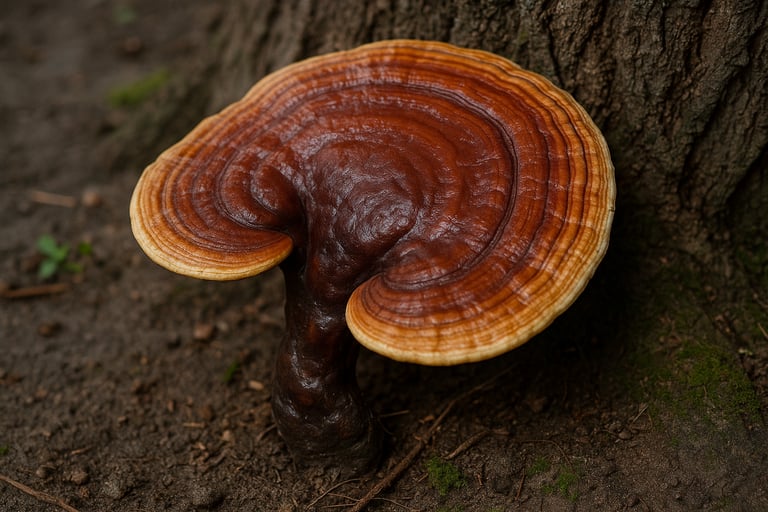
Reishi, known as the "mushroom of immortality" in traditional Chinese medicine, stands as one of the most researched and revered functional mushrooms for immune support. This adaptogenic fungus contains over 400 bioactive compounds, with triterpenes and polysaccharides leading the charge in immune system enhancement.
Clinical studies have demonstrated Reishi's ability to modulate immune cell activity, particularly enhancing the function of lymphocytes and natural killer cells. Its unique triterpene compounds also provide adaptogenic benefits, helping the body manage stress, which is crucial for maintaining optimal immune function. Regular Reishi consumption has been associated with improved immune response, reduced inflammation, and enhanced overall vitality.
The immune-supporting benefits of Reishi extend to its ability to support the body's natural detoxification processes, reducing the toxic burden that can compromise immune function. Its liver-supporting properties ensure that this crucial organ can effectively process and eliminate toxins, allowing the immune system to focus on its primary protective functions.
2. Turkey Tail Mushroom (Trametes versicolor)


Turkey Tail mushroom has gained significant attention in the scientific community for its exceptional immune-supporting properties. This colorful fungus contains polysaccharide-K (PSK) and polysaccharide peptide (PSP), compounds that have been extensively studied for their ability to enhance immune system function.
Research has shown that Turkey Tail can significantly boost the activity of immune cells, including T-cells, B-cells, and natural killer cells. Its unique ability to modulate immune responses makes it particularly valuable for maintaining immune system balance. The mushroom's complex polysaccharides work by binding to specific immune cell receptors, triggering enhanced immune surveillance and response capabilities.
Turkey Tail's prebiotic properties also support gut health, which is intimately connected to immune function. By promoting beneficial gut bacteria growth, Turkey Tail creates a foundation for optimal immune system performance, as approximately 70% of the immune system is located in the digestive tract.
3. Shiitake Mushroom (Lentinula edodes)


Shiitake mushrooms bridge the gap between food and medicine, offering both exceptional flavor and remarkable immune-supporting properties. These mushrooms contain lentinan, a beta-glucan compound that has been shown to significantly enhance immune system function and has even been approved as an adjunctive therapy in some countries.
Studies have demonstrated that Shiitake consumption can increase the production of secretory immunoglobulin A (sIgA), the body's first line of defense against pathogens. Regular consumption has also been associated with improved immune cell proliferation and enhanced resistance to infections.
Beyond their immune benefits, Shiitake mushrooms provide essential nutrients, including B vitamins, selenium, and zinc, all of which play crucial roles in immune system function. Their accessibility as both a food and supplement makes them an excellent starting point for those new to functional mushroom therapy.
4. Maitake Mushroom (Grifola frondosa)
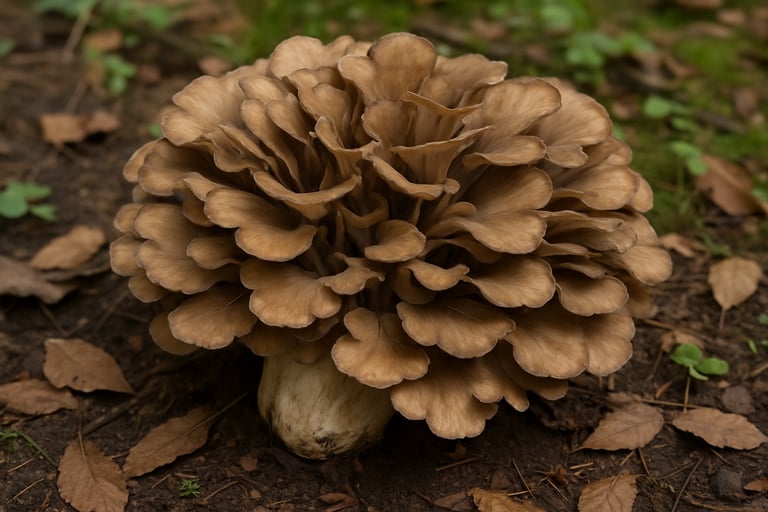
Maitake, known as the "dancing mushroom," contains some of the most potent immune-supporting beta-glucans found in nature. The mushroom's primary bioactive compound, D-fraction, has been extensively studied for its ability to activate macrophages and enhance overall immune system function.
Research has shown that Maitake can stimulate the production of interleukin-1, tumor necrosis factor-alpha, and other immune-signaling molecules that coordinate the body's defense responses. Its ability to modulate immune function makes it particularly valuable for individuals seeking to optimize their immune system performance.
Maitake's benefits extend to supporting healthy blood sugar levels and cardiovascular function, creating a comprehensive approach to wellness that supports immune health through multiple pathways. The mushroom's rich vitamin D content also contributes to immune system optimization, as this crucial vitamin plays essential roles in immune cell function.
5. Lion's Mane Mushroom (Hericium erinaceus)


While Lion's Mane is primarily known for its cognitive benefits, this unique mushroom also offers significant immune system support. Its bioactive compounds, including hericenones and erinacines, contribute to both neurological health and immune function, recognizing the crucial connection between brain health and immune system performance.
Research has demonstrated that Lion's Mane can enhance the activity of immune cells and support the production of beneficial cytokines. Its anti-inflammatory properties help modulate immune responses, preventing excessive inflammation while maintaining effective pathogen defense capabilities.
The mushroom's unique ability to support nerve growth factor (NGF) production also benefits immune function, as the nervous system and immune system are intimately connected through various signaling pathways.
6. Cordyceps Mushroom (Cordyceps sinensis/militaris)


Cordyceps mushrooms offer a unique combination of energy enhancement and immune system support. These fungi contain cordycepin and other bioactive compounds that can improve cellular energy production while simultaneously strengthening immune defenses.
Studies have shown that Cordyceps can increase the production of natural killer cells, enhance macrophage activity, and improve overall immune cell function. Its adaptogenic properties help the body maintain immune system balance even under stress, making it particularly valuable for active individuals and those with demanding lifestyles.
The energy-enhancing effects of Cordyceps indirectly support immune function by ensuring that immune cells have adequate energy resources to perform their protective functions effectively. This dual action makes Cordyceps an excellent choice for those seeking comprehensive wellness support.
7. Chaga Mushrooms (Inonotus obliquus)
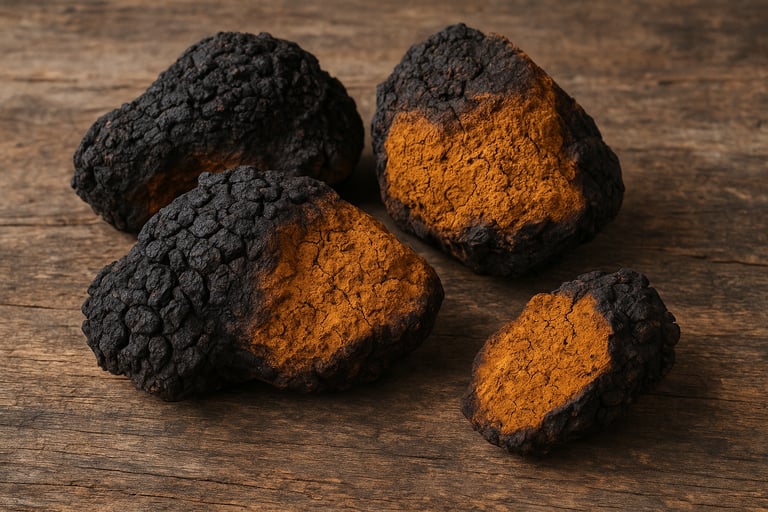
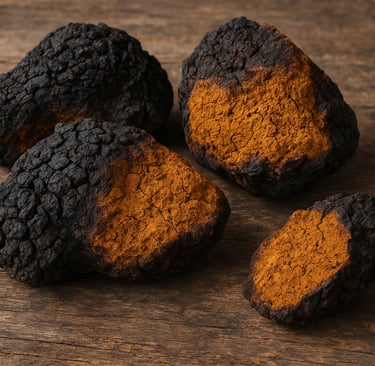
Chaga mushroom, growing primarily on birch trees in northern climates, contains one of the highest concentrations of antioxidants found in any natural source. These antioxidants, including superoxide dismutase (SOD), betulinic acid, and melanin, provide exceptional support for immune system function.
The mushroom's potent antioxidant activity helps protect immune cells from oxidative stress, ensuring they can function optimally. Chaga's beta-glucans also stimulate immune cell activity, while its adaptogenic properties help maintain immune system balance under various stressors.
Research has demonstrated that Chaga can enhance the production of beneficial cytokines while suppressing pro-inflammatory compounds, creating an optimal environment for immune system function. Its ability to support cellular health at the mitochondrial level ensures that immune cells have the energy needed for effective pathogen defense.
8. Oyster Mushroom (Pleurotus ostreatus)


Oyster mushrooms, while commonly available and affordable, offer significant immune system benefits that shouldn't be overlooked. These mushrooms contain pleuran, a unique beta-glucan that has been shown to enhance immune cell activity and improve resistance to infections.
Studies have demonstrated that oyster mushroom consumption can increase the production of immunoglobulin A and enhance the activity of natural killer cells. Their rich content of vitamins, minerals, and amino acids provides comprehensive nutritional support for optimal immune function.
The accessibility and mild flavor of oyster mushrooms make them an excellent choice for those seeking to incorporate functional mushrooms into their daily diet.
How to Incorporate Functional Mushrooms into Your Daily Routine
Successfully integrating functional mushrooms into your wellness routine requires understanding the various forms available and selecting the most appropriate delivery methods for your lifestyle and goals. The key is consistency, as the immune-supporting benefits of functional mushrooms develop over time with regular consumption.
Mushroom Powders and Extracts: High-quality mushroom powders and extracts offer concentrated bioactive compounds in convenient forms. Look for products that specify beta-glucan content and use dual extraction methods to ensure both water-soluble and alcohol-soluble compounds are preserved. These can be easily mixed into smoothies, coffee, or other beverages.
Whole Mushroom Supplements: Capsulated whole mushroom products provide the full spectrum of compounds found in the fungi, including fiber and nutrients that might be lost in extraction processes. These are ideal for those who prefer standardized dosing and convenient consumption.
Fresh and Dried Culinary Options: For mushrooms like Shiitake, Maitake, and Oyster mushrooms, incorporating fresh or dried versions into meals provides both nutritional and immune benefits. Cooking methods that preserve bioactive compounds include light sautéing, steaming, or adding to soups and broths.
Mushroom Coffee and Teas: These products combine the familiar ritual of hot beverage consumption with immune-supporting mushroom compounds. Many people find this an easy way to maintain consistent mushroom intake.
Optimal Dosage and Timing for Maximum Immune Benefits
Determining the appropriate dosage of functional mushrooms depends on several factors, including the specific mushroom, the form of the product, the concentration of active compounds, and individual health goals. Generally, immune-supporting benefits are observed with consistent daily consumption rather than sporadic high doses.
Timing can influence the effectiveness of mushroom supplementation. Many practitioners recommend consuming mushrooms with meals to enhance absorption, while others suggest taking immune-supporting mushrooms in the morning to provide all-day benefits. For adaptogenic varieties like Reishi, evening consumption may be preferable due to their stress-reducing and sleep-supporting properties.
Cycling protocols, where mushrooms are consumed for several weeks followed by a brief break, may help prevent tolerance and maintain effectiveness. However, many immune-supporting mushrooms can be consumed continuously without diminishing returns.
Always follow manufacturer instructions and consult a healthcare professional if you have health conditions or are on medications.
Potential Side Effects of Consuming Medicinal Mushrooms
Functional mushrooms are generally well-tolerated by most individuals, with side effects being rare and typically mild. However, understanding potential reactions and interactions is important for safe and effective use.
Common mild side effects may include digestive upset, particularly when starting with higher doses or consuming mushrooms on an empty stomach. Starting with lower doses and gradually increasing can help minimize these effects. Some individuals may experience mild dizziness or skin reactions, particularly with Reishi mushrooms.
Mushrooms can interact with certain medications, particularly blood thinners and immunosuppressive drugs. Their immune-modulating effects may enhance or interfere with these medications, making medical supervision important for individuals on such treatments.
Pregnant and nursing women should consult healthcare providers before using functional mushroom supplements, as research on safety in these populations is limited. Similarly, individuals with autoimmune conditions should work with qualified healthcare practitioners to determine appropriate use.
Quality varies significantly among mushroom products, making source selection crucial for both safety and effectiveness. Look for products that undergo third-party testing for contaminants and verify active compound content.
The Bottom Line
Medicinal mushrooms have rich scientific backing and centuries of traditional use for a reason. When chosen properly, used safely, and combined with a healthy lifestyle, they can offer a significant boost to your immune system.
If you’re curious about trying them, start with mild, well-researched varieties like shiitake or turkey tail, find high-quality sources or supplements, and give it time to see benefits. Above all, consult healthcare professionals when needed, especially if you have preexisting conditions or take medications.
References: Immune Modulation From Five Major Mushrooms: Application to Integrative Oncology - PMC