Aloe Vera for Dandruff Relief: What Dermatologists Say About This Natural Remedy
Discover what dermatologists and research say about using aloe vera for dandruff relief. Learn how aloe may help, what the evidence shows, safe application methods, and when to see a doctor.
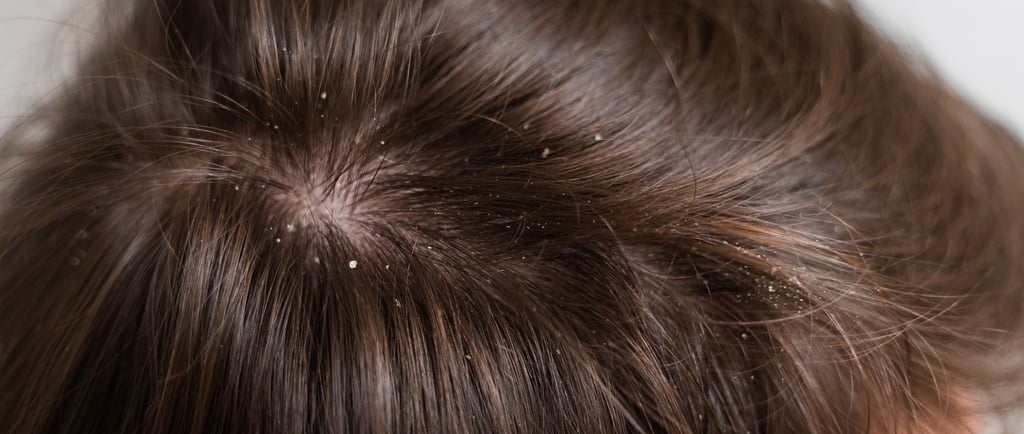
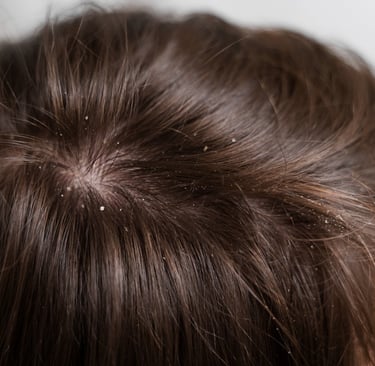
The white flakes on your shoulders. The persistent itching. The self-consciousness every time you wear dark clothing. If you're among the nearly 50% of people who experience dandruff issue at some point in their lives, you understand how this common scalp condition can affect your confidence.
While pharmacy shelves overflow with chemical-laden treatments promising quick fixes, an increasing number of dermatologists are pointing toward a time-tested natural solution that has been used for thousands of years: aloe vera.
But does this succulent plant truly deliver on its anti-dandruff promises, or is it merely another wellness trend with more hype than science? Let's examine what medical professionals and clinical research reveal about aloe vera's effectiveness against dandruff.
What Causes Dandruff?
A number of factors contribute to dandruff, which is technically mild seborrheic dermatitis when it is inflamed. These include an excessive amount of the lipophilic yeast Malassezia on the scalp, high sebum levels, skin cell turnover, inflammation of the scalp, and personal or environmental triggers (stress, weather changes, hair-care products). Treating dandruff successfully usually means addressing one or more of these drivers.
The Science Behind Aloe Vera's Anti-Dandruff Properties
Aloe vera (Aloe barbadensis) is far more than a remedy for sunburns. This desert plant contains over 200 bioactive compounds, including vitamins, minerals, amino acids, enzymes, and polysaccharides that work synergistically to address multiple aspects of dandruff formation.
Antifungal and Antibacterial Action
The most significant way aloe vera combats dandruff is through its proven antimicrobial properties. Recent studies have shown that aloe vera extract is capable of inhibiting the growth of Staphylococcus bacteria (S. aureus and S. epidermidis) as well as the fungus Malassezia, directly targeting the organisms responsible for dandruff development.
Aloe vera gel contains six antiseptic agents: sulfur, phenols, cinnamic acid, lupeol, salicylic acid, and urea nitrogen. These compounds work together to slow the growth of microorganisms and prevent the infections that can worsen dandruff symptoms.
Anti-Inflammatory Effects
The constant itching associated with dandruff stems from scalp inflammation. According to double board-certified dermatologist Brendan Camp, MD, at MDCS Dermatology, aloe contains anti-inflammatory properties that can help soothe irritation, with its antioxidants addressing oxidative stress while its nutrients help the skin repair itself.
Aloe vera gel inhibits the cyclooxygenase enzyme system, the pathway responsible for forming prostaglandins—lipids that control inflammation. The plant also contains C-glucosyl chromone, a unique anti-inflammatory compound found in no other known plant species.
Moisturizing and Barrier Protection
When the defense system of the epidermis is unbalanced, sebaceous glands tend to increase their production of sebum in a phenomenon known as reactive hyperseborrhea, making the scalp more susceptible to colonization by microorganisms. Aloe vera's richness in hygroscopic amino acids strengthens the hydrolipidic film on the scalp's surface, limiting the risks of this reactive hyperseborrhea.
A 2019 review examined 23 clinical trials involving aloe vera, finding that aloe vera gel may improve moisture retention in the skin and promote wound healing. This dual action of moisturizing while maintaining the scalp's protective barrier proves particularly valuable for managing dandruff.
What Dermatologists Say
Dermatologists tend to be pragmatic: they respect aloe’s soothing effects, but they also emphasize proven antifungal treatments when necessary.
“Aloe vera can help maintain scalp health by utilizing soothing and cooling properties, especially for scalp conditions such as dandruff, seborrheic dermatitis, eczema, and even psoriasis,” says Bradley Glodny, M.D., dermatologist at Park Avenue Dermatology. “Raw aloe vera gel can help with associated discomfort and itch while diminishing flakey red skin.” Prevention
The American Academy of Dermatology (AAD) advises that mild dandruff can often be treated at home with appropriate shampoos and scalp care, and that persistent cases warrant dermatologist input. While the AAD does not single out aloe as a primary treatment, their guidance to try gentle, non-irritating care aligns with using soothing agents like aloe in mild cases. Mona Sadeghpour, M.D., FAAD, reminds patients that many factors cause dandruff and that treatment should match the underlying driver.
How to Use Aloe Vera for Dandruff Relief
If you're ready to incorporate aloe vera into your scalp care routine, dermatologists recommend several evidence-based approaches.
Choosing Your Aloe Vera Source
Board-certified dermatologist Cynthia Bailey, M.D., advises that "fresh aloe vera is best, as the medicinal properties deteriorate over time," noting that "many commercial aloe vera gels and juices contain other ingredients such as preservatives".
If purchasing aloe vera gel, Dr. Camp recommends ensuring the product lists 100 percent aloe vera or has aloe vera as the first ingredient, noting that "the farther down on the ingredient list, the less aloe the product contains". Avoid products with added fragrances, dyes, or alcohol, which can irritate the scalp.
Application Methods
Pure Aloe Vera Gel Treatment
For direct application, Dr. Shokeen recommends applying fresh aloe gel directly to the scalp, massaging the gel in for several minutes, then leaving it on for up to 30 minutes before shampooing it out. Longer application times may cause irritation or product buildup.
Aloe Vera and Coconut Oil Combination
Combine two tablespoons of aloe vera gel with one cup of coconut oil. Massage this blend into your scalp and leave for 30 minutes before washing with a mild shampoo. Coconut oil provides additional antimicrobial properties and deep conditioning benefits.
Aloe Vera with Lemon Juice
Mix half a cup of aloe vera gel with two tablespoons of freshly squeezed lemon juice. Apply to the scalp for 20 minutes before rinsing. Lemon's citric acid helps balance scalp pH while aloe soothes irritation. Use this treatment sparingly, as lemon can be drying with frequent use.
Treatment Frequency and Expectations
Consistency matters when using natural remedies. Most dermatologists recommend applying aloe vera treatments 2-3 times per week for at least 4-6 weeks to assess effectiveness. Some people notice relief within a few applications, particularly for mild irritation, while chronic or severe dandruff may require consistent use over several weeks.
Safety Considerations and Precautions
While aloe vera is generally well-tolerated, medical professionals emphasize several important precautions.
Allergy Testing
Dr. Camp advises performing a patch test before using aloe vera on your scalp: "To check if you are allergic, it is a good idea to do a test spot on the inside of your arm to see if a reaction develops one to two days before applying it to your scalp". Although rare, some individuals experience contact dermatitis or allergic reactions to aloe vera.
When to See a Dermatologist
Board-certified dermatologist Nazanin Saedi, MD, clinical associate professor at Thomas Jefferson University, notes that while strong scientific studies on aloe vera's specific hair benefits are still lacking, research has proven it effective for seborrheic dermatitis due to its antifungal and antibacterial properties.
However, medical intervention becomes necessary when:
Dandruff persists despite consistent home treatment for 4-6 weeks
Severe itching interferes with daily activities or sleep
The scalp becomes inflamed, painful, or shows signs of infection
Hair loss accompanies flaking
Symptoms spread beyond the scalp to eyebrows, nose, or ears
Proper Application Techniques
Avoid common mistakes that can reduce effectiveness or cause problems:
Don't apply aloe vera to a scalp covered in styling product buildup
Never use your fingernails to massage treatments into your scalp; use fingertips instead
Rinse thoroughly after treatment to prevent residue accumulation
Don't leave aloe vera on for extended periods (more than 30 minutes) as this may cause irritation
FAQs
Q: Can aloe vera cure dandruff permanently?
A: No single remedy reliably cures dandruff permanently. Aloe can soothe and reduce symptoms, particularly in mild cases, but persistent dandruff may require medicated antifungal or keratolytic therapy and long-term maintenance. American Academy of Dermatology
Q: Is fresh aloe better than store-bought gel?
A: Fresh aloe from a plant is pure but may contain latex near the rind; store gels often include preservatives and stabilizers that increase shelf life. Choose a reputable product with minimal additives if you don’t have access to fresh plant gel. Patch test either form. Healthline
Q: How often should I use aloe on my scalp?
A: For pre-shampoo treatments, 1–2 times weekly is typical. For dry, itchy scalps, small amounts as needed between washes can help. Avoid overusing heavy gels on oily scalps.
Final Thoughts
Aloe vera is not a miracle cure for all dandruff. But it is a low-risk, accessible, and often effective supportive tool for reducing itch, calming inflammation, and adding moisture to dry scalps. Try aloe as part of a light scalp routine if your dandruff is minor. Patch test, use a clean source of gel, apply as a leave-in or pre-wash treatment, and, when necessary, continue using proven medicated therapies.
Don't forget to see a board-certified dermatologist for a customized treatment if the flakes continue, get worse, or are accompanied by noticeable redness or hair loss.