Chia Seed Water: Why Soaking Beats Other Ways to Eat Chia Seeds
Chia Seed Water: Discover why soaking chia maximizes hydration, digestion, and nutrient absorption compared to other methods—plus simple prep tips and evidence-backed benefits.
HEALTHLANDING PAGE
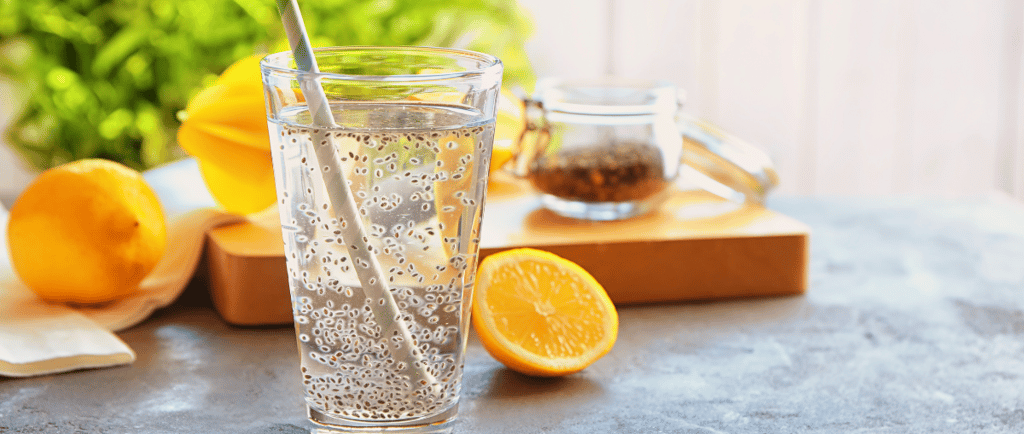
It's fantastic that you are already consuming chia seeds! However, are you getting the most out of them? While you might have tried chia in smoothies, puddings, or sprinkled on yogurt, soaking these tiny powerhouses in plain water might actually be the most effective way to unlock their benefits.
Here's what you'll learn in this blog: why putting chia seeds in water before eating them is way better than just eating them dry or mixing them with other food products. And why soaking chia seeds in water maximizes their unique gel-forming properties while delivering optimal hydration, digestion support, and nutrient absorption—benefits that other preparation methods simply can't match.
Science Behind Soaking Chia Seeds In Water
Chia seeds absorb twelve times their weight when soaked in water, transforming from hard little specks into gel-like capsules called mucilage. Research from Oxford Academic reveals fascinating insights about this process. A 2022 study examining whole chia seeds during digestion found that the mucilage adheres tightly to the seed coat throughout the digestive process, creating a protective gel matrix. This gel formation is crucial because it changes how your body interacts with the seeds and their nutrients.
Why Water Wins Over Other Combinations
Enhanced Nutrient Absorption
When you eat dry chia seeds, your body works overtime trying to break them down. Many seeds pass through your digestive system partially intact, meaning you miss out on their nutritional benefits. Soaking eliminates this problem entirely.
The gel formation allows your body to access:
Omega-3 fatty acids more efficiently
Complete proteins with all essential amino acids
Fiber that's gentler on your digestive system
Minerals like calcium, magnesium, and phosphorus in more absorbable forms
Digestive Comfort and Safety
Dry chia seeds can cause digestive discomfort for some people, especially when consumed in large quantities. The seeds expand in your stomach, which can lead to bloating or, in rare cases, blockages if you don't drink enough water.
Soaking prevents these issues by allowing the expansion to happen before consumption. Your digestive system receives pre-hydrated seeds that are easier to process and less likely to cause discomfort.
Sustained Energy and Appetite Control
The gel-like consistency of soaked chia seeds slows down digestion, leading to a gradual release of energy. This means no sugar spikes or crashes – just steady, sustained fuel for your body.
The combination of fiber, protein, and healthy fats in properly prepared chia water can help you feel satisfied longer, naturally supporting weight management goals without restrictive dieting.
Optimal Hydration Support
Water serves as the perfect vehicle for chia's hydration properties. The Harvard T.H. Chan School of Public Health notes that chia seeds are the richest plant source of omega-3 fatty acids and contain complete proteins. When soaked in water, the seeds create a sustained-release hydration system.
Unlike thick smoothies or yogurt-based preparations, water allows for maximum absorption of the liquid by the seeds while maintaining the drink's hydrating properties. This creates a beverage that not only quenches thirst but also provides ongoing hydration support as the gel slowly releases moisture.
Comparing Water to Popular Alternatives
Water vs. Smoothies and Thick Mixtures
While chia smoothies are popular, they come with drawbacks. Thick mixtures can prevent complete seed hydration, leaving some seeds partially dry within the mixture. Additionally, smoothie ingredients like fruits and dairy add calories and sugars that can interfere with chia's natural appetite-suppressing effects.
Water ensures complete, uniform hydration at a predictable ratio—typically 1 tablespoon of seeds to 3 tablespoons of liquid. This consistency is impossible to achieve in variable-texture smoothies.
Water vs. Dry Consumption
Sprinkling dry chia seeds on salads or cereals might seem convenient, but it's far from optimal. Research from the University of Adelaide suggests that whole, unprocessed chia seeds have limited digestibility. The tough seed coat can shield nutrients from absorption.
Moreover, dry seeds rely entirely on your digestive system for moisture, which can cause discomfort and reduce the seeds' effectiveness. The Cleveland Clinic notes that proper hydration before consumption is crucial for both safety and benefit.
Water vs. Heat-Based Preparations
Some people prefer roasted chia seeds for their nutty flavor, but heat can degrade the very nutrients that make chia special. Omega-3 fatty acids are particularly sensitive to heat, and roasting can reduce their content. Water-soaking preserves these delicate fats in their natural state while making them more bioavailable.
How to Prepare Perfect Chia Water
Creating the ideal chia water is simpler than you might think, but timing and ratios matter.
The Basic Recipe
Ingredients:
1-2 tablespoons chia seeds
1 cup (8 ounces) water
Optional: lemon juice, honey, or natural flavorings
Method:
Add chia seeds to water in a glass or jar
Stir vigorously for 30 seconds to prevent clumping
Let sit for 2-3 minutes, then stir again
Allow to soak for at least 15 minutes (30 minutes is ideal)
Stir once more before drinking
The Bottom Line
Soaking chia seeds in plain water represents the most scientifically sound approach to consuming these nutritional powerhouses. This simple preparation method enhances digestibility, preserves heat-sensitive nutrients, and delivers optimal hydration support without unnecessary calories or additives.