Does CBD Oil for Knee Arthritis Works?
Is CBD oil for knee arthritis the real deal for joint pain, or just hype? We break down how it works for relief (no, it won't get you high) and what you must know before trying it.
HEALTHLANDING PAGE

That grinding, aching protest from your knee—does it feel like it runs your life sometimes? One day you’re up and about, the next you’re sidelined by a stiff, swollen joint that makes a simple trip to the mailbox feel like a marathon. If you’re nodding along, you’re in good company. Millions of people deal with knee arthritis, a frustrating condition that can steal the joy from their favorite activities.
In the hunt for relief from arthritis pain, you've probably heard about everything from physical therapy to injections. But lately, a different option has been getting a lot of buzz: CBD oil for knee arthritis.
Can this natural remedy from the cannabis plant really quiet down an angry knee? Let’s look at what the science says and what it could mean for you. In this article, you'll learn what CBD is, how it works for joint pain, and how to find a product that’s both safe and effective.
Understanding Knee Arthritis
Before getting into CBD, it’s good to have a picture of what’s going on in there. For most people, knee arthritis is osteoarthritis—the "wear-and-tear" kind. It happens as the smooth, protective cartilage that cushions the ends of your bones slowly wears away. When that cushion thins out, you can start to feel:
A deep ache or pain, especially after you've been moving around
Stiffness that’s worst in the morning or after you’ve been sitting
Swelling, warmth, and tenderness around the knee
A strange grinding or clicking noise when you bend it
Trouble bending or straightening your knee all the way
It’s more than just physical, isn't it? It's the frustration of having to say "no" to a walk with friends, not being able to keep up with your grandkids, or losing sleep because of the throbbing. That part is just as hard as the pain itself.
What Is CBD Oil, and How Can It Help Reduce Knee Arthritis?
First, let's get one thing straight: CBD is not marijuana. CBD (short for cannabidiol) is one of many compounds found in the cannabis plant, but it’s famous for what it doesn't do—it won't make you feel "high." That feeling comes from THC (tetrahydrocannabinol), a different compound entirely.
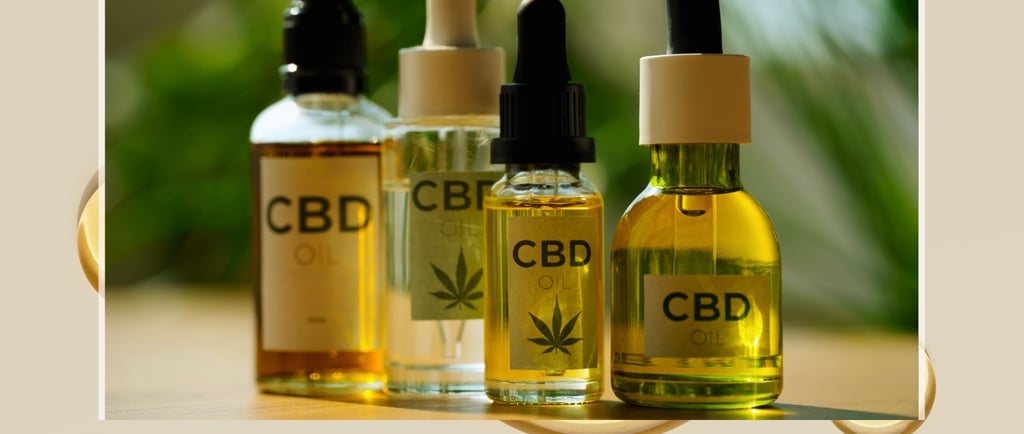
CBD oil is made by taking CBD from the plant and mixing it with a carrier oil, like coconut or hemp seed oil. It’s become incredibly popular because of its potential to ease pain and inflammation.
How does it do that? Your body has its own amazing network called the endocannabinoid system (ECS). You can think of it as your body's master regulator, helping to keep things like your mood, sleep, and pain signals in balance. This system has receptors all over, including in your joint tissues.
CBD interacts with this system. For arthritis, its most promising benefits seem to be:
Fighting Inflammation: Arthritis is, at its core, an inflammatory disease. Studies suggest CBD may help calm down that inflammatory response, telling your immune cells to produce fewer inflammatory proteins. This could mean less swelling and joint damage over time.
Turning Down Pain Signals: CBD might also change the way your brain registers pain. It can influence other pain-related pathways in the body, helping to dial down the pain signals before they get too loud.
What the Research Shows About CBD for Arthritis Pain
Personal stories are great, but it helps to know what the science says. While a lot of the initial research was done in labs, the results are pretty exciting.
For example, one of the most cited studies is a 2016 animal study published in the European Journal of Pain. Researchers applied a CBD gel to rats with arthritis and found it led to a significant drop in joint swelling and pain behaviors, without obvious side effects. Another study from 2017 suggested that by treating inflammation early, CBD could actually protect nerves in the joint from damage, preventing future neuropathic pain.
Human studies are still in the early stages but are beginning to emerge. A large 2021 systematic review of multiple trials concluded that cannabinoids can offer a small to moderate improvement in chronic pain relief. Researchers agree we need more big, high-quality studies to pin down the perfect dosages.
How to Use CBD Oil for Knee Arthritis
If you're ready to try CBD oil for knee arthritis, you have two main options. Many people find that using both methods together provides the best relief.
1. Apply It Topically: These are CBD-infused creams, balms, and gels that you rub directly onto your knee. The CBD is absorbed through your skin to provide targeted relief right where you need it. This is a great starting point because the CBD doesn't enter your bloodstream.
2. Take It Orally: This includes oils, tinctures, capsules, and edibles. When you take CBD this way, it's absorbed through your digestive system and provides more of a whole-body effect.
Oils/Tinctures: You use a dropper to place the oil under your tongue and hold it there for 60 seconds. This helps it absorb faster.
Capsules/Edibles: These are simple and give you a precise dose, but they take a bit longer to kick in since they have to go through your digestive system.
How to Choose a CBD Product You Can Trust
The CBD market is crowded and can be confusing. Since there's not a lot of regulation, the quality of products can vary significantly. To make sure you’re getting something safe and effective, here’s a simple checklist:
Look for a COA: A Certificate of Analysis (COA) is your proof that the product has been tested by an independent, third-party lab. This is non-negotiable. The COA confirms how much CBD is in the product and shows it's free of nasty stuff like pesticides or heavy metals. Any good company will have these easily available on its website.
Know the Hemp Source: Opt for products made with hemp grown in the U.S. or Europe, where farming practices are more likely to be regulated.
Pick Your CBD Type:
Full-Spectrum: This type includes all the natural compounds from the plant, including a very small, legal amount of THC (less than 0.3%). The idea is that all the compounds work together in what's called an "entourage effect."
Broad-Spectrum: This has all the plant compounds except THC, which has been removed.
CBD Isolate: This is just pure CBD, with nothing else. A great choice if you want to be 100% certain you're not getting any THC.
Talk to Your Doctor
While CBD is generally well-tolerated, it’s smart to be safe. It can cause some mild side effects, like tiredness or digestive upset. It can also interact with some prescription medications (especially ones that have a "grapefruit warning," like certain blood thinners).
Before you buy or try anything, please have a chat with your doctor. They understand your whole health picture and can give you the green light, help you watch for any interactions, and support you in making it a useful part of your overall arthritis care plan.
The Bottom Line
While not a magic cure, CBD oil represents a promising avenue for managing the inflammation and pain that can disrupt your life. By choosing a high-quality product and working with your doctor, you can explore whether it’s the right tool to help you get back to moving with greater comfort and ease.