Men vs. Women: Why Dandruff Affects Them Differently
Discover why men get dandruff 44% more than women. Learn how testosterone, hormones, and scalp biology create gender differences in dandruff.
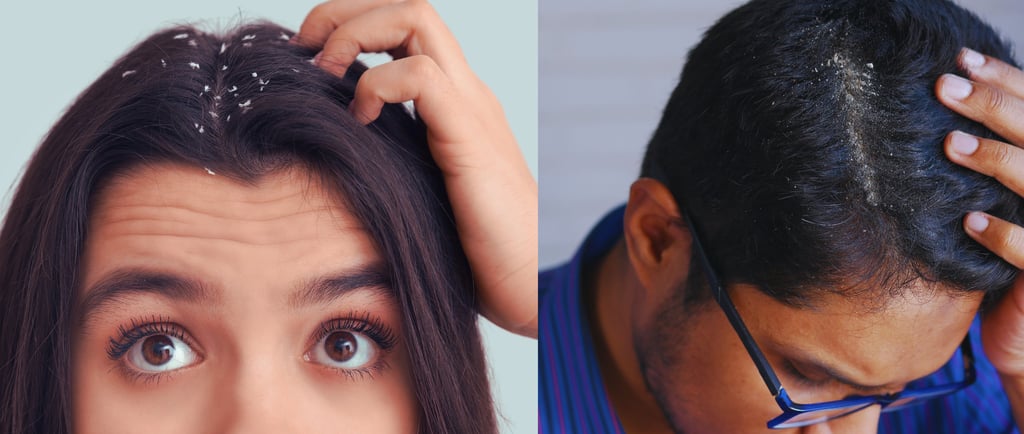
When white flakes dust your shoulders or an itchy scalp disrupts your day, you might wonder whether your experience with dandruff mirrors that of others. While dandruff affects approximately half of the adult population worldwide, research reveals striking differences in how this common scalp condition affects men and women. Recognising these gender‑linked differences matters for choosing the right treatments.
In this article, we dive into why men may seem more susceptible to dandruff, how hormonal, skin‑barrier, and behavioural factors come into play, what dermatologists say, and how both men and women can customize scalp care for better results.
Why Dandruff Affects Men More
Men are more likely than women to report having dandruff, with studies showing 44 percent of men affected compared to 33 percent of women. Men are affected more frequently than women (3.0% versus 2.6%) in all age groups, suggesting that seborrheic dermatitis may be associated with sex hormones such as androgens.
The Biological Reason
The most significant biological difference lies beneath the surface of the scalp. A man's scalp contains 50 percent more sebum than a woman's scalp, and when the production of sebum gets out of control, it leads to dandruff.
This excessive oil production creates an ideal environment for Malassezia, the yeast-like fungus responsible for the majority of dandruff cases. Malassezia yeasts, which are naturally found on every human scalp, feed on sebum. The abundance of sebum in men provides these microbes with an absolute feast. Unchecked Malassezia populations convert sebum into fatty acids that irritate the scalp, causing inflammation and accelerated skin cell turnover, which is the hallmark of dandruff.
The Scalp Barrier Function Weakness
Men's scalp barriers are significantly weaker, making them more vulnerable to skin conditions, and they are more likely to experience dry scalp due to increased scalp moisture loss. Lower ceramide levels in the stratum corneum, the skin's outermost protective layer, are the cause of this compromised barrier function.
This structural deficiency allows irritants to penetrate more easily while simultaneously allowing moisture to escape, creating a dual problem of sensitivity and dryness.
Protein Loss and Scalp Health
Men experience more protein loss from their scalp than women, leading to a higher chance of developing dandruff, which, alongside increased sebum production, can lead to hair loss. This protein depletion weakens the scalp's natural defense mechanisms, making it more susceptible to fungal colonization and inflammatory responses.
The Hormonal Reason
Testosterone, the primary male sex hormone, exerts powerful effects on sebaceous gland activity. High dosages of testosterone and anabolic-androgenic steroids have been shown to enlarge sebaceous glands and increase their production of sebum, which increases oil production and increases the risk of flare-ups of seborrheic dermatitis. This hormonal influence explains why dandruff often begins or worsens during puberty, when testosterone levels surge dramatically.
Age-Related Patterns
The occurrence of dandruff peaks at particular stages of life. It peaks in the first three months of life, during puberty, and in adulthood, reaching its highest point between the ages of 40 and 60. The relationship between hormonal fluctuations and scalp health is further supported by the fact that these peaks coincide with times of high hormonal activity.
The pubertal spike is particularly pronounced in males, who experience a more dramatic increase in androgen production compared to females. This hormonal surge stimulates sebaceous glands to enlarge and produce more sebum, setting the stage for Malassezia overgrowth and subsequent dandruff development.
The Androgen-Sebum-Malassezia Axis
Androgens such as testosterone and dihydrotestosterone stimulate the production of sebum, the oily substance secreted by sebaceous glands in the scalp, and excessive sebum production can create an ideal environment for the proliferation of Malassezia. This three-way interaction forms the foundation of gender-based dandruff differences.
Dihydrotestosterone (DHT), a more potent derivative of testosterone, binds to androgen receptors in sebaceous glands with greater affinity than testosterone itself. This binding triggers increased sebum synthesis and gland enlargement, amplifying the gender gap in dandruff susceptibility.
How Dandruff Affects Women
Women's relationship with dandruff is fundamentally different from men's because of continuous hormonal fluctuations throughout their lives. While men maintain relatively stable testosterone levels (gradually declining with age), women experience dramatic hormonal shifts monthly, during pregnancy, and through menopause. Each of these transitions creates distinct vulnerabilities to dandruff.
The Menstrual Cycle Connection
Hormonal fluctuations before and after menstruation can lead to increased oil production, triggering dandruff. "The levels of estrogen decrease and the levels of progesterone and testosterone increase about a week before your period. This leads to increased oil production in the skin glands." Glands on the scalp also increase oil production, which, for some women, makes hair look and feel oily and stringy in the days leading up to the menses.
Pre-Menstrual Phase (Week Before Period): Androgens are more commonly known as male hormones. Yet, women's bodies produce small amounts of androgens like testosterone and progesterone, too. And testosterone levels are at their highest during your period. High testosterone is known to increase oil production in your scalp. This hormonal shift can trigger oilier hair and increased dandruff symptoms.
Menstruation (Period Week): Hormones tend to fluctuate a lot more than normal when you're on your period, producing more testosterone that increases the secretion of sebum that can make hair look sticky, oily and greasy. This peak in androgen levels creates maximum oil production.
Dandruff Issue During Pregnancy
Hormonal changes during pregnancy can swing both ways — some women experience glowing, hydrated scalps, while others see increased sebum and dandruff due to elevated progesterone. Depending on your genetic makeup, pregnancy might make your locks appear voluminous, luscious, and healthy. For others, dandruff, frizz, oily hair, or a dry scalp can be more likely to occur.
Dandruff Problem During the Postpartum Period
During the postpartum period, many women experience dandruff flare-ups due to sudden hormonal shifts—particularly a sharp drop in estrogen and progesterone levels. These changes can cause scalp dryness, irritation, and flakiness. Additionally, postpartum stress, lack of sleep, and nutritional deficiencies may worsen scalp imbalance. Increased hair shedding and the use of new hair products or dry shampoos can also contribute to buildup and irritation.
Dermatologists recommend gentle, sulfate-free shampoos, maintaining scalp hygiene, and using nourishing oils like coconut or argan to restore moisture and reduce flakes while the body’s hormones gradually rebalance.
Dandruff Issue During Menopause and Perimenopause
During perimenopause and menopause, the drop in estrogen and progesterone alters the scalp’s oil production and skin barrier function, often leading to dryness, flakiness, and increased susceptibility to the yeast Malassezia. As the scalp becomes thinner and less resilient, it’s more prone to irritation and visible scaling—symptoms often mistaken for typical dandruff. These changes demonstrate why many women experience problems with their scalps during this hormonal shift.
Can Men and Women Use the Same Products?
All anti-dandruff shampoos are formulated with active ingredients like selenium sulfide and coal tar, and both have antifungal properties, so they are not gender-specific, and anyone with dandruff can use them. Despite marketing that suggests otherwise, the fundamental active ingredients work regardless of gender.
However, men may need to use anti-dandruff treatments more consistently or at higher frequencies due to their increased sebum production and weaker scalp barriers. Women might focus treatment around hormonal fluctuation periods, such as the week before menstruation or during menopausal transitions.
Conclusion
The differences in how dandruff affects men and women extend far beyond superficial observations. From hormonal influences and sebum production to barrier function and stress responses, gender shapes every aspect of this common condition.
Men face higher susceptibility due to testosterone-driven sebum production, weaker scalp barriers, and greater protein loss. Women experience more hormone-fluctuation-related dandruff, particularly during puberty, menstruation, pregnancy, and menopause.
Yet despite these differences, effective treatments exist for everyone. The key lies in understanding your unique scalp biology, selecting appropriate active ingredients, maintaining consistent treatment, and addressing lifestyle factors that exacerbate the condition.