What Causes Kissing Bug Disease?
Could you have kissing bug disease and not even know it? This silent illness often shows no signs for years before causing serious heart damage. Click to learn the surprising warning signs and how to protect yourself.
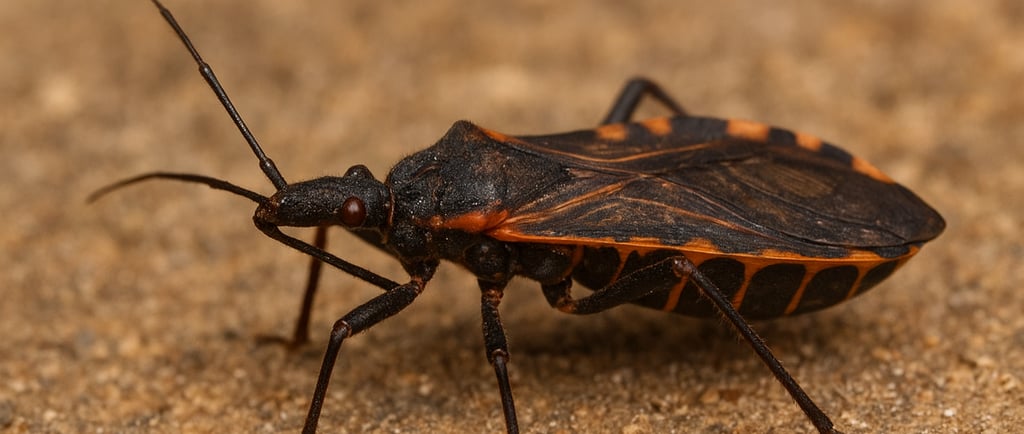
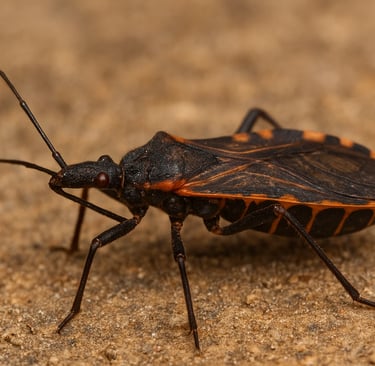
"Kissing bug disease" is another name for Chagas disease, an infection caused by a parasite. It's mainly spread by insects known as triatomine bugs, which have earned the nickname "kissing bugs" because they often bite people on their faces, especially around the mouth, while they sleep.
What Causes Kissing Bug Disease?
The disease isn't caused by the bug's bite itself, but by what the bug leaves behind. Here’s how it happens:
The Parasite: The disease is caused by a tiny parasite called Trypanosoma cruzi.
Infected Bugs: Kissing bugs become carriers of this parasite by feeding on the blood of an infected animal or person.
Transmission: After a kissing bug bites someone, it often poops near the bite. If the person scratches or rubs the bug's feces into the open bite wound, their eyes, or mouth, the parasite can enter their body and cause an infection.
While the main way to get Chagas is from the bug, it can also spread through blood transfusions, organ transplants, from a pregnant mother to her baby, or by consuming food or drinks contaminated with the parasite.
Signs and Symptoms of a Kissing Bug Bite
Chagas disease has two main stages, and the symptoms can be very different in each one.
Acute Phase (The First Few Weeks)
In the early stage, many people have no symptoms at all. If symptoms do appear, they are usually mild and can feel like the flu.
Fever
Headaches and body aches
Fatigue
Swelling at the site of the bite
Swollen lymph nodes or eyelids
These initial symptoms usually go away on their own, even without treatment.
Chronic Phase (Years Later)
After the acute phase, the disease enters a chronic stage where the parasites are still in the body, but most people don't feel sick. However, decades after the initial infection, about 20% to 30% of people develop serious and sometimes life-threatening complications. These can include:
Heart Problems: The most common issue is damage to the heart, which can lead to an enlarged heart, heart failure, or an irregular heartbeat.
Digestive Issues: Some people may develop problems with their digestive system, such as an enlarged esophagus or colon, making it difficult to eat or have bowel movements.
Where Is Chagas Disease Found?
Chagas disease is most common in rural areas of Mexico, Central America, and South America, where an estimated 8 to 10 million people are living with the disease. While cases are rarer in the United States, the kissing bugs that carry the parasite are found in the southern half of the country, and it's estimated that over 300,000 people in the U.S. have the disease, mostly from infections they got while in other countries.
If caught early, Chagas disease can be treated with medication to kill the parasite. However, once it reaches the chronic stage, there is no cure, and treatment focuses on managing the symptoms and complications.
Kissing Bug Bite Treatment
Most kissing bug bites are painless and may not require any treatment. If you experience a mild local reaction, such as itching, redness, or swelling, you can manage the symptoms at home:
Wash the area with soap and water to help prevent a secondary infection.
Apply an anti-itch cream, such as calamine lotion, to relieve itching.
Use a cold pack or an oatmeal-soaked washcloth to reduce swelling.
Managing Allergic Reactions
Some people can have an allergic reaction to the kissing bug's saliva.
A mild allergic reaction might cause hives or welts, which a doctor can treat with antihistamines or corticosteroids.
In rare cases, a severe, life-threatening allergic reaction called anaphylaxis can occur. Symptoms include difficulty breathing, dizziness, or vomiting. This is a medical emergency that requires an immediate call to 911 and, if available, the use of an epinephrine auto-injector.
When to See a Doctor
It is important to see a doctor if you suspect the bite is infected (it becomes very red, painful, or swollen) or if you may have been exposed to Chagas disease. Seek medical attention if you were bitten in an area where Chagas is common and develop mild, flu-like symptoms in the following weeks, such as:
Fever
Body aches and fatigue
A rash
Swollen eyelids
Early diagnosis and treatment of Chagas disease are crucial to prevent it from progressing to a chronic and more serious condition.
What Attracts Kissing Bugs?
Kissing bugs are primarily attracted to the carbon dioxide (CO2) that people and animals exhale, which allows them to locate hosts from a distance. They are also drawn to body heat, as they can sense the infrared radiation emitted by warm-blooded creatures. At night, these nocturnal insects are attracted to artificial lights, which often leads them into homes. Additionally, they follow air currents carrying host odors, including specific chemicals like lactic acid on the skin. Finally, they release pheromones in their feces, which attract other kissing bugs to gather in the same hiding spots.
How to Avoid Kissing Bugs?
To avoid kissing bugs, start by sealing any cracks and gaps in your home's foundation and around windows and doors to block their entry. Clear away woodpiles, rocks, and other debris from near your house to eliminate potential hiding spots. Make sure all your windows and doors have screens, and repair any holes or tears. Have your pets sleep indoors at night and keep outdoor lights turned off, as they can attract the bugs. When traveling to high-risk areas, sleep under an insecticide-treated bed net for extra protection.
FAQs
Q. Can Chagas disease be cured?
Answer: Yes, Chagas disease can be cured if it is diagnosed and treated soon after infection, especially during the initial acute phase. The medications are most effective in the first few weeks or months and have a high success rate in newborns.
Q. How do I know if I have Chagas disease?
Answer: Since the early symptoms of Chagas disease are often mild or absent, the only definitive way to know if you are infected is through a blood test. During the acute phase, you might experience flu-like symptoms like fever or body aches, which usually go away even though the infection remains. A doctor can order a blood test to look for the parasite or antibodies your body has produced to fight it.
Q. Is Chagas disease contagious from person to person?
Answer: Chagas disease is not typically contagious through everyday casual contact, like touching or kissing. The main ways it can spread between people are from a mother to her baby during pregnancy, through a blood transfusion or organ transplant from an infected donor, or by consuming food contaminated with the parasite.
Q. Can dogs get Chagas disease?
Yes, dogs can get Chagas disease, and they are considered important carriers of the Trypanosoma cruzi parasite. Dogs typically become infected when they eat kissing bugs or come into contact with the feces of an infected bug, such as by licking a bite wound.
Q. Can kissing bugs survive cold weather?
Kissing bugs generally struggle to survive in cold weather, as most species are adapted to warmer climates. Prolonged exposure to cold temperatures is a major factor that limits how far north their populations can spread. Some species are more resilient; for instance, Triatoma protracta has been found in colder states like Utah and Colorado, where it can endure sub-freezing conditions during the winter.
Source: Kissing Bugs and Chagas Disease in the U.S. | Texas A&M