Why Dandruff Worsens in Winter and How to Get Rid of It
Discover why dandruff worsens in winter and get expert-backed solutions to banish flakes for good. Learn the science behind cold-weather scalp issues.

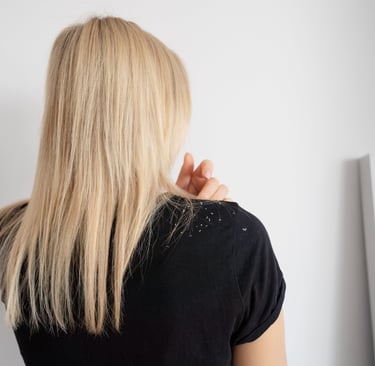
You're getting ready for a holiday party, pulling out your favorite black sweater, when you notice them—those telltale white flakes decorating your shoulders like unwanted confetti. You brush them off, but within minutes, they're back. Sound familiar? If you've noticed your dandruff getting worse as the temperature drops, you're not imagining things. The good news? Understanding why dandruff gets worse when temperatures drop is the first step toward banishing those flakes for good.
What Exactly Is Dandruff?
Dandruff is a mild form of seborrheic dermatitis that shows up as white or yellow flakes and itch on the scalp, sometimes spreading to the hairline, eyebrows, and areas behind the ears. The primary culprit behind most dandruff cases is a naturally occurring yeast called Malassezia. This fungus lives on everyone's scalp, feeding on the oils your skin produces. When Malassezia grows out of control, it breaks down these oils and produces oleic acid, which can irritate your scalp and trigger an inflammatory response. This leads to faster skin cell turnover, causing dead cells to clump together and shed as visible flakes.
Dandruff affects approximately half of the world's population at some point in their lives. While it can occur year-round, many people notice their symptoms becoming significantly worse during fall and winter months.
Why Winter Makes Dandruff Worse?
Winter is the ideal season for dandruff flare-ups due to a combination of behavioral and environmental factors. This is what occurs:
Cold, Dry Air Strips Moisture
Winter air naturally contains less humidity than warmer seasons. This low moisture content has a drying effect on your skin and scalp, causing cells to flake more easily. When your scalp becomes dehydrated, it can trigger increased shedding of dead skin cells, making existing dandruff more noticeable.
Indoor Heating Creates Desert Conditions
While indoor heating keeps us comfortable, it also removes moisture from the air inside our homes and workplaces. Running furnaces and heating systems continuously throughout winter creates an artificially dry environment that can leave your scalp parched. This prolonged exposure to dry indoor air compounds the moisture-stripping effects of cold outdoor temperatures.
Excess Oil Production
Your body's response to cold temperatures includes adjustments to oil production. For some people, this means producing too much sebum (oil), which creates an ideal feeding ground for Malassezia yeast. For others, cold weather reduces oil production, leading to a drier, more irritated scalp. Either imbalance can worsen dandruff symptoms.
Hot Showers Strip Natural Oils
Taking long, hot showers feels wonderful on a cold winter day, but it can wreak havoc on your scalp health. Hot water strips away your scalp's natural protective oils, leaving it vulnerable to dryness and irritation. This creates a cycle where your scalp becomes increasingly dry and flaky, even as you're trying to stay clean.
Hats and Winter Accessories Trap Heat
Wearing hats, scarves, and other winter accessories creates a warm, enclosed environment on your scalp. This trapped heat and moisture provide ideal conditions for Malassezia yeast to multiply. Additionally, if you don't wash these accessories regularly, they can harbor bacteria and fungi that contribute to scalp problems.
Reduced Sun Exposure
Sunlight has natural antifungal properties that can help keep yeast populations in check. During winter, you're likely spending more time indoors and covering your head when outside, reducing your scalp's exposure to beneficial UV rays. Some research suggests that moderate sun exposure may help improve dandruff symptoms, though you should always protect your skin from excessive UV damage.
Changes in Hair Care Routine
Many people wash their hair less frequently in winter to avoid the discomfort of wet hair in cold weather. While this might seem harmless, infrequent shampooing allows oils, dead skin cells, and product buildup to accumulate on your scalp. This buildup provides more fuel for Malassezia growth and can lead to increased flaking and itching.
Effective Strategies to Combat Winter Dandruff
Now that you understand why dandruff worsens in winter, here are proven strategies to manage and reduce those pesky flakes:
Choose the Right Anti-Dandruff Shampoo
Not all dandruff shampoos work the same way. Different active ingredients target different aspects of dandruff, so finding the right one may require some trial and error. Look for products containing these key ingredients:
Zinc Pyrithione: Zinc Pyrithione works by killing the fungus and bacteria on your scalp. It's effective for mild to moderate dandruff and is found in many popular anti-dandruff shampoos.
Ketoconazole: Ketoconazole is a powerful antifungal medication that directly targets Malassezia yeast. Shampoos containing 1% ketoconazole are available over the counter and can be particularly effective for stubborn dandruff.
Salicylic Acid: Salicylic acid helps your scalp shed dead skin cells more effectively, preventing them from clumping together and forming visible flakes. This ingredient works well for people whose dandruff is primarily caused by excessive skin cell buildup.
Coal Tar: Coal Tar slows down the rate at which skin cells die and shed from your scalp. While effective, coal tar products can have a strong smell and may discolor light-colored hair.
Selenium Sulfide: Selenium Sulfide helps balance yeast levels on your scalp and reduces cell turnover. But be sure to rinse thoroughly, as this ingredient can discolor your hair if left on too long.
Adjust Your Water Temperature
Resist the temptation to take scalding hot showers during winter. Instead, wash your hair with lukewarm or cool water to avoid stripping your scalp's natural oils. While this might feel less comfortable initially, your scalp will thank you for preserving its moisture barrier.
Find Your Ideal Washing Frequency
The right washing schedule balances cleanliness with moisture retention. Washing your hair more regularly could help you get rid of extra sebum that feeds Malassezia if your scalp tends to be oily. If your scalp is dry, reduce washing to two or three times per week and focus on moisturizing between washes.
Moisturize Your Scalp
Just as you moisturize your face and body in winter, your scalp needs hydration too. Look for leave-in conditioners or scalp oils specifically formulated for dandruff-prone skin. Ingredients like coconut oil, jojoba oil, and aloe vera can provide moisture without creating excessive oiliness.
When applying scalp treatments, focus on the scalp itself rather than the hair shaft. Gently massage the product in circular motions to improve circulation and help the treatment penetrate the skin.
Exfoliate Gently
Your scalp benefits from gentle exfoliation, just like the rest of your skin. A soft-bristled brush or purpose-made scalp scrub can help remove dead skin cells and product buildup that contribute to flaking. However, be gentle to avoid irritating your scalp further. Limit exfoliation to once or twice a week.
Add Humidity to Your Environment
Combat the drying effects of indoor heating by using a humidifier in your bedroom and main living spaces. Aim to maintain indoor humidity levels between 40-50%. This simple addition can make a significant difference in preventing scalp dryness throughout winter.
Protect Your Scalp Outdoors
When wearing hats or scarves, choose ones made from breathable materials like cotton or moisture-wicking fabrics. Avoid synthetic materials that trap heat and sweat against your scalp. Wash your winter accessories regularly to prevent bacterial and fungal buildup.
If possible, remove your hat when you move from cold outdoor temperatures to heated indoor spaces to prevent excessive sweating and heat buildup.
Nourish from Within
Your diet plays a role in scalp health. Foods rich in zinc, B vitamins, and omega-3 fatty acids support your skin's natural barrier function and may help reduce dandruff severity. Include more fish, nuts, whole grains, leafy greens, and legumes in your winter diet.
Stay well-hydrated by drinking adequate water throughout the day. Dehydration affects all your skin, including your scalp, making it more prone to flaking.
Manage Stress
While stress doesn't directly cause dandruff, it can trigger flare-ups or worsen existing symptoms. Winter's shorter days and holiday pressures can increase stress levels, potentially aggravating your dandruff. Practice stress-reduction techniques like meditation, regular exercise, adequate sleep, or activities you enjoy.
When to See a Doctor
Most cases of dandruff can be managed with over-the-counter treatments and lifestyle adjustments. However, you should consult a dermatologist if:
Your dandruff doesn't improve after four to six weeks of treatment with different anti-dandruff shampoos
You have severe dandruff with large patches of flaking and intense itching
Your scalp becomes red, swollen, or shows signs of infection
The flaking spreads beyond your scalp to your face, ears, or other areas
You develop thick, crusty patches that won't go away
Your dandruff is accompanied by hair loss
These symptoms might indicate a more serious condition like severe seborrheic dermatitis, psoriasis, or another scalp disorder that requires prescription treatment.
Bottom Line
Winter sets up the perfect storm for dandruff by drying the scalp and stressing the skin, but consistent use of the right medicated shampoo and winter‑smart habits can clear flakes and keep them from coming back.